Are you constantly battling persistent weight gain despite your best efforts?
Many individuals find themselves caught in a frustrating cycle: diligently exercising and monitoring their diet, yet seeing minimal results on the scale. This common struggle often points to a deeper, underlying issue: a slow metabolism.
Your metabolism is the engine of your body, responsible for converting food into energy. When this engine runs inefficiently, it can lead to a host of problems, including stubborn weight gain, fatigue, and difficulty shedding excess fat. Understanding the root causes of a sluggish metabolism is the first critical step toward reclaiming your metabolic health and achieving sustainable weight management.

What Exactly is Metabolism and Why Does It Matter for Weight?
Before we dive into the causes of a slow metabolism, it's crucial to understand what metabolism truly entails and its profound impact on your body weight.
At its core, metabolism is the sum of all chemical processes that occur in your body to keep you alive and functioning. It encompasses two main processes: catabolism and anabolism. Catabolism is the breakdown of complex molecules (like carbohydrates, fats, and proteins from food) into simpler ones, releasing energy. Anabolism is the building up of complex molecules from simpler ones, requiring energy. Together, these processes ensure your body has the energy it needs for everything from breathing and blood circulation to cell repair and physical activity.
Your Basal Metabolic Rate (BMR) is the number of calories your body burns at rest to perform these essential life-sustaining functions. This accounts for about 60-75% of the total calories you burn each day. A higher BMR means your body burns more calories even when you're not actively moving, making weight management significantly easier. Conversely, a slow BMR means your body is burning fewer calories, leading to a surplus that is often stored as fat, contributing to weight gain.
Factors like your age, gender, body size, and genetic makeup all influence your BMR. Understanding these basics helps us appreciate why some individuals seem to effortlessly maintain their weight while others struggle, even with similar dietary and exercise habits.
💡 Key Takeaway
Metabolism is your body's energy engine. A slow metabolism (low BMR) means fewer calories burned at rest, making weight gain easier and weight loss harder, highlighting its critical role in weight management.
The Primary Culprits: Unpacking the Causes of Slow Metabolism
A slow metabolism isn't usually the result of a single factor, but rather a complex interplay of various influences. Let's explore the most common causes that can put the brakes on your body's calorie-burning efficiency.
1. Age-Related Decline: The Natural Slowdown
It's an undeniable truth that as we age, our metabolism tends to slow down. This phenomenon, often starting in our 20s and becoming more pronounced with each decade, is primarily due to a natural process called sarcopenia – the age-related loss of muscle mass. Muscle tissue is metabolically more active than fat tissue, meaning it burns more calories at rest. As muscle mass decreases, so does your BMR. Hormonal changes, such as a decline in growth hormone and sex hormones (estrogen in women, testosterone in men), also contribute to this metabolic deceleration.
2. Genetic Predisposition: The Metabolic Blueprint
While often frustrating, your genetics do play a role in determining your inherent metabolic rate. Some individuals are simply born with a naturally faster metabolism, while others are predisposed to a slower one. Genes can influence factors like how efficiently your body burns fat, how it stores fat, and even your appetite and satiety signals. However, it's crucial to remember that genetics are not destiny. While they may set a baseline, lifestyle choices can significantly modify how these genetic predispositions express themselves.
3. Insufficient Calorie Intake: The Starvation Mode Effect
Paradoxically, severely restricting calories in an attempt to lose weight can backfire by slowing down your metabolism. When your body senses a drastic reduction in food intake, it interprets this as a period of starvation and enters "survival mode." To conserve energy, your metabolic rate drops, making it harder to lose weight and easier to regain it once you resume normal eating patterns. This is why crash diets are often unsustainable and detrimental to long-term metabolic health.
4. Lack of Muscle Mass: The Metabolic Powerhouse
As mentioned earlier, muscle is your metabolic friend. The more muscle mass you have, the more calories your body burns at rest. Conversely, a sedentary lifestyle or insufficient strength training leads to a decrease in muscle mass, directly contributing to a slower metabolism. This is a crucial area where conscious effort can make a significant difference, as building and maintaining muscle through resistance training can effectively counteract metabolic slowdown.
5. Poor Sleep Quality: The Hidden Metabolic Saboteur
In our fast-paced world, sleep is often the first thing sacrificed. However, chronic sleep deprivation has profound negative effects on metabolic health. Lack of sleep disrupts hormones that regulate appetite (ghrelin and leptin), leading to increased hunger and cravings. It also impairs insulin sensitivity, making your body less efficient at processing glucose and more prone to storing it as fat. Studies show that even a few nights of insufficient sleep can significantly reduce your resting metabolic rate.
6. Chronic Stress: The Fight-or-Flight Impact
Persistent stress triggers the release of cortisol, often called the "stress hormone." While acute stress responses are vital, chronic elevation of cortisol can lead to increased appetite, cravings for high-calorie comfort foods, and a tendency for the body to store fat, particularly around the abdominal area. Cortisol can also interfere with thyroid function and insulin sensitivity, further contributing to a sluggish metabolism and weight gain.
7. Thyroid Dysfunction: The Master Regulator
The thyroid gland, located in your neck, produces hormones that regulate nearly every metabolic process in your body. When the thyroid is underactive (a condition known as hypothyroidism), it doesn't produce enough of these essential hormones, leading to a significant slowdown in metabolism. Symptoms often include weight gain, fatigue, cold intolerance, and dry skin. If you suspect thyroid issues, consulting a doctor for diagnosis and treatment is crucial.
8. Certain Medications and Medical Conditions
A range of prescription medications can have side effects that include weight gain and metabolic slowdown. These include certain antidepressants, antipsychotics, beta-blockers, corticosteroids, and some diabetes medications. Additionally, medical conditions beyond thyroid issues, such as Polycystic Ovary Syndrome (PCOS), Cushing's syndrome, and insulin resistance, can directly impact metabolic function and contribute to stubborn weight gain.
💡 Key Takeaway
Slow metabolism is a multifaceted issue influenced by age, genetics, diet, muscle mass, sleep, stress, and medical factors. Addressing these areas holistically is key to metabolic improvement.
Beyond the Basics: Other Factors Influencing Your Metabolic Rate
While the primary culprits are significant, several other elements can subtly, yet powerfully, impact how efficiently your body burns calories.
Nutrient Deficiencies
Certain vitamins and minerals are vital cofactors in metabolic reactions. For example, B vitamins are crucial for energy production, iron is essential for oxygen transport (which impacts energy), and magnesium plays a role in hundreds of enzymatic processes, including those related to glucose metabolism. Deficiencies can impair your body's ability to efficiently convert food into energy, slowing down metabolic processes.
Environmental Toxins
Exposure to certain environmental chemicals, known as "obesogens," has been linked to metabolic disruption and weight gain. These toxins, found in plastics, pesticides, and industrial pollutants, can interfere with hormone function and alter fat cell development, making it harder for the body to maintain a healthy weight and potentially slowing metabolism.
Gut Microbiome Imbalance
The trillions of bacteria residing in your gut, collectively known as the gut microbiome, play a surprisingly significant role in metabolism. An imbalance of gut bacteria (dysbiosis) can affect nutrient absorption, inflammation, and even the production of hormones that regulate hunger and satiety. A healthy gut microbiome is increasingly recognized as a key player in maintaining a robust metabolism.
Sedentary Lifestyle
Beyond reducing muscle mass, a lack of physical activity directly lowers your Total Daily Energy Expenditure (TDEE). Even if you exercise for an hour, sitting for the rest of the day means your Non-Exercise Activity Thermogenesis (NEAT) is very low. NEAT, which includes fidgeting, standing, and walking, contributes significantly to daily calorie burn. A sedentary lifestyle depresses this component, making your overall metabolism appear slower.
Chronic Inflammation
Low-grade chronic inflammation, often fueled by poor diet, stress, and lack of sleep, can disrupt hormonal signaling and impair metabolic function. Inflammation can lead to insulin resistance, making it harder for cells to absorb glucose and prompting the body to store more fat. This creates a vicious cycle where inflammation drives metabolic dysfunction, which in turn exacerbates inflammation.

The Vicious Cycle: How Slow Metabolism Leads to Weight Gain
Understanding the causes is one thing, but seeing how they collectively contribute to a persistent weight problem illuminates the challenge. It’s often a self-reinforcing cycle.
When your metabolism slows down, your body burns fewer calories for its basic functions. This means that if your calorie intake remains constant, or even slightly increases, you'll accumulate a calorie surplus more easily. This surplus is then stored as fat, predominantly as triglycerides in adipose tissue. The accumulation of body fat can further exacerbate metabolic issues, as excess fat tissue can become metabolically less active and even contribute to inflammation and insulin resistance.
Furthermore, a slower metabolism often comes with symptoms like reduced energy levels and increased fatigue. This naturally leads to less physical activity, creating a sedentary feedback loop that further diminishes calorie expenditure and muscle mass. The emotional toll of persistent weight gain and the frustration of ineffective weight loss efforts can also contribute to stress, which, as we've discussed, can trigger cortisol release and further promote fat storage.
Breaking this cycle requires a multi-pronged approach that addresses the various contributing factors. It's not just about eating less or exercising more; it's about optimizing your body's internal machinery to burn energy more efficiently.
Strategies to Combat a Slow Metabolism and Support Weight Loss
While the causes of a slow metabolism can seem daunting, the good news is that many factors are within your control. Implementing targeted strategies can help reignite your metabolic fire and support healthy weight management.
Build and Maintain Muscle
Engage in regular strength training (2-3 times per week). Muscle tissue is metabolically active, burning more calories at rest than fat. The more muscle you have, the higher your BMR will be. Focus on compound movements that work multiple muscle groups.
Optimize Protein Intake
Protein has a higher thermic effect of food (TEF) than carbs or fats, meaning your body burns more calories digesting it. Adequate protein intake also helps preserve muscle mass during weight loss and promotes satiety. Aim for 20-30g of protein per meal.
Prioritize Quality Sleep
Aim for 7-9 hours of quality sleep per night. Good sleep is crucial for hormone regulation (ghrelin, leptin, cortisol) and insulin sensitivity, all of which directly impact metabolic rate and fat storage. Establish a consistent sleep schedule.
Stay Hydrated
Water is essential for all metabolic processes. Even mild dehydration can slow your metabolism. Drinking enough water, especially before meals, can also help with satiety and may temporarily boost calorie burning. Aim for 8 glasses a day.
Incorporate Thermogenic Foods
Certain foods can slightly increase your metabolic rate through thermogenesis. Examples include chili peppers (capsaicin), green tea, coffee, and spices like ginger and turmeric. While not a magic bullet, they can contribute to overall metabolic health. For more on this, read about best thermogenic coffee additives for fat burning.
Consider Metabolic Support Supplements
While not a substitute for healthy lifestyle, certain natural supplements can offer targeted support for metabolic function. Ingredients like green tea extract, L-carnitine, and chromium picolinate are known to assist with fat burning, energy production, and blood sugar regulation. Always consult a healthcare professional before starting new supplements.
How JavaBurn Can Support Your Metabolic Goals
For those looking for an innovative way to support their metabolism, JavaBurn offers a unique, all-natural solution designed to work synergistically with your morning coffee.

Green Tea Extract (with EGCG)
Role: Rich in antioxidants and catechins, particularly EGCG, which is known to enhance thermogenesis (calorie burning) and promote fat oxidation. It supports energy expenditure and helps reduce body fat.
Typical Dose: 300-500mg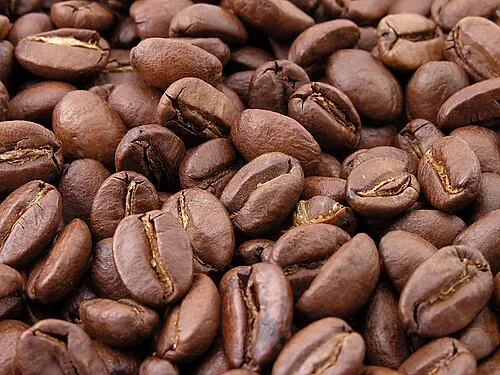
Chlorogenic Acid (from Green Coffee Bean)
Role: Helps regulate blood sugar levels by inhibiting glucose absorption in the gut and improving insulin sensitivity. It also supports fat metabolism and can reduce cravings. Learn more about JavaBurn ingredients like Chlorogenic Acid and Green Tea.
Typical Dose: 100-200mg
L-Carnitine
Role: A vital amino acid that plays a critical role in transporting fatty acids into the mitochondria of cells, where they are burned for energy. This enhances fat burning and can improve exercise performance.
Typical Dose: 500-1000mg
L-Theanine
Role: An amino acid found primarily in tea leaves, L-Theanine works synergistically with caffeine to promote a state of calm focus without the jitters often associated with caffeine alone. It supports cognitive function and reduces stress.
Typical Dose: 100-200mg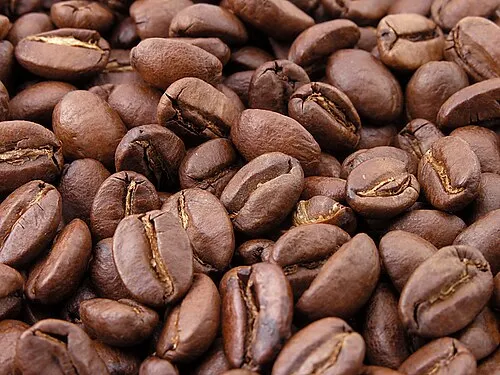
Caffeine
Role: A well-known stimulant that boosts energy levels, enhances focus, and significantly increases thermogenesis and fat oxidation. It helps kickstart your metabolism and improves physical performance.
Typical Dose: 100-200mg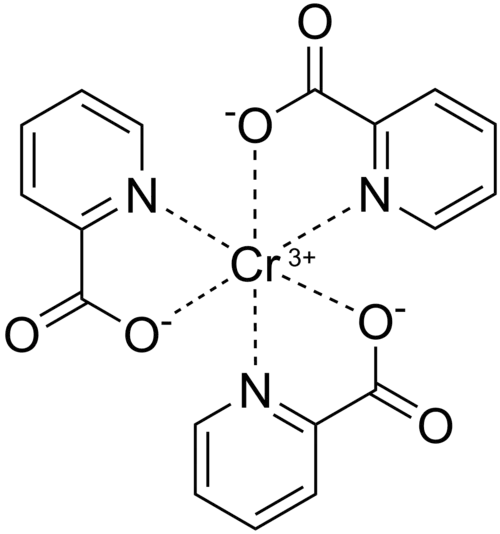
Chromium Picolinate
Role: An essential trace mineral that enhances the action of insulin, helping to regulate blood sugar levels and reduce cravings for carbohydrates. It plays a key role in macronutrient metabolism.
Typical Dose: 100-200mcgThe Holistic Approach to Metabolic Health
Ultimately, optimizing your metabolism and achieving sustainable weight loss is about more than just a single solution; it's about embracing a holistic approach to health.
While understanding the causes of a slow metabolism is empowering, the real power lies in taking consistent action. Incorporating strength training, prioritizing sleep, managing stress, and consuming a nutrient-dense diet are foundational. Supplements like JavaBurn can act as a powerful adjunct, providing targeted nutritional support to enhance your body's natural fat-burning capabilities when combined with these healthy habits. For a deeper dive into natural remedies, check out our guide on natural weight loss relief remedies.
Remember, metabolic health is a journey, not a destination. Be patient with your body, celebrate small victories, and stay committed to the lifestyle changes that will serve your long-term well-being. By addressing the root causes and providing your body with the right support, you can transform your metabolism and unlock a healthier, more energetic you.

Ready to Revitalize Your Metabolism? Try JavaBurn Today!
Take control of your metabolic health and join thousands who have experienced the difference. JavaBurn's revolutionary formula, designed to be added to your daily coffee, helps ignite your metabolism and support natural fat burning.
- ✓ 100% All-Natural Ingredients
- ✓ Boosts Metabolism & Fat Burning
- ✓ Enhances Energy & Focus
- ✓ Non-GMO & Gluten-Free
- ✓ Easy to Use: Just Add to Coffee




Real People, Real Results
"I was convinced my metabolism was broken. After adding JavaBurn to my coffee for a few months, I feel more energetic, and the stubborn weight around my belly is finally starting to shift. It's truly incredible!"
"My energy levels were always low, and I couldn't understand why I kept gaining weight despite eating healthy. JavaBurn changed that. I feel more vibrant, and my clothes fit better. Highly recommend!"
"I've tried countless supplements, but JavaBurn is different. The subtle energy boost and noticeable difference in my appetite control are fantastic. My metabolism feels like it's finally working with me, not against me."
Frequently Asked Questions
What exactly is metabolism?
+Metabolism is the complex set of chemical processes that occur within your body to maintain life. It converts the food and drinks you consume into energy, which your body uses for everything from breathing and circulating blood to moving and repairing cells. Your metabolic rate, or basal metabolic rate (BMR), is the number of calories your body burns at rest to perform these essential functions.
Can genetics really make my metabolism slow?
+Yes, genetics play a significant role in determining your metabolic rate. Some individuals are genetically predisposed to have a slower metabolism, meaning their bodies naturally burn fewer calories at rest compared to others. While genetics are a factor, they are not the sole determinant, and lifestyle choices can still profoundly influence metabolic function.
How does age affect metabolism and weight gain?
+As we age, our metabolic rate naturally tends to slow down. This is primarily due to a gradual loss of muscle mass (sarcopenia) and changes in hormonal balance. Since muscle tissue burns more calories than fat tissue, a decrease in muscle mass directly lowers your basal metabolic rate, making it easier to gain weight even if your diet and activity levels remain constant.
Are there medical conditions that cause slow metabolism?
+Absolutely. Several medical conditions can significantly impact metabolic function. Hypothyroidism, where the thyroid gland doesn't produce enough hormones, is a common cause of slowed metabolism and weight gain. Polycystic Ovary Syndrome (PCOS), Cushing's syndrome, and certain medications can also interfere with metabolic processes, leading to difficulties in managing weight.
What are immediate steps I can take to improve my metabolism?
+To immediately start improving your metabolism, focus on consistent strength training to build muscle mass, incorporate high-intensity interval training (HIIT) into your routine, ensure adequate protein intake at each meal, prioritize sufficient sleep (7-9 hours), and stay well-hydrated. Small, consistent changes can lead to significant metabolic benefits over time.
How can JavaBurn support a healthy metabolism?
+JavaBurn is designed to support metabolic function by leveraging a proprietary blend of natural ingredients known for their thermogenic and fat-burning properties. Ingredients like green tea extract, L-carnitine, and chromium picolinate work synergistically to enhance calorie burning, optimize fat metabolism, and improve insulin sensitivity. When added to your daily coffee, it aims to create a metabolic boost, helping your body become more efficient at burning fat for energy.
Related Articles
.webp)