Struggling with a slow metabolism and stubborn fat?
Many people find themselves in a constant battle with their weight, despite trying various diets and exercise routines. The culprit often lies in a sluggish metabolism, which dictates how efficiently your body converts food into energy. When your metabolism slows down, your body tends to store more calories as fat, making weight loss an uphill battle.
The good news is that you don't have to be a victim of a slow metabolism. With the right approach to exercise and lifestyle, you can effectively supercharge your body's natural fat-burning engine, leading to faster fat loss, increased energy, and improved overall health. This comprehensive guide will explore the most effective exercises and strategies to ignite your metabolic fire.
Understanding Your Metabolism: More Than Just Calories In, Calories Out
Your metabolism is a complex system, not a simple switch. It's the sum of all chemical processes that occur in your body to maintain life. While often simplified to "calories in, calories out," its efficiency profoundly impacts your weight, energy levels, and overall health.
At its core, metabolism governs how your body uses energy. This includes your Basal Metabolic Rate (BMR), which is the number of calories your body burns at rest to perform basic functions like breathing, circulation, and cell production. Then there's the Thermic Effect of Food (TEF), the energy expended to digest and absorb nutrients, and finally, the Energy Expenditure of Physical Activity (EEPA), which accounts for calories burned during exercise and non-exercise activity thermogenesis (NEAT).
A slow metabolism means your body burns fewer calories, even at rest, making it easier to gain weight and harder to lose it. Factors like age, genetics, gender, and body composition all play a role, but crucially, lifestyle choices – particularly diet and exercise – have a significant impact. By understanding these components, we can strategically approach exercise to optimize our metabolic health and achieve our fat-burning goals.
💡 Key Takeaway
Metabolism is a dynamic process influenced by multiple factors. While genetics play a part, targeted exercise and lifestyle adjustments are powerful tools to increase your metabolic rate, making fat loss more efficient and sustainable.
The Power of Exercise: How Movement Ignites Your Metabolic Fire
Exercise is arguably the most potent tool you have to influence your metabolism. It doesn't just burn calories during the activity; it creates a cascade of physiological changes that keep your body burning fat long after your workout is over.
Different types of exercise trigger different metabolic responses. Understanding these differences allows you to craft a workout regimen that maximizes your fat-burning potential and addresses the root causes of a slow metabolism. We'll focus on three primary categories: High-Intensity Interval Training (HIIT), Strength Training, and Steady-State Cardiovascular Exercise.
High-Intensity Interval Training (HIIT): The Afterburn Effect
HIIT involves short bursts of intense anaerobic exercise followed by brief periods of rest or low-intensity recovery. Think sprinting for 30 seconds, then walking for 90 seconds, repeated for 15-20 minutes. The magic of HIIT lies in its ability to significantly elevate your Excess Post-exercise Oxygen Consumption (EPOC), commonly known as the "afterburn effect."
EPOC refers to the increased rate of oxygen intake following strenuous activity. Your body needs more oxygen to return to its resting state, repair muscle tissue, replenish energy stores, and re-oxygenate blood. This process requires energy, meaning you continue to burn calories at an elevated rate for hours, and sometimes even a full day, after your HIIT session. Studies have shown HIIT can boost metabolism by up to 15% for 24 hours post-workout. Furthermore, HIIT has been proven to improve insulin sensitivity, a crucial factor in metabolic health and fat storage.
Strength Training: Building a Metabolic Furnace
Often overlooked by those solely focused on cardio, strength training is perhaps the single most impactful exercise for long-term metabolic improvement. Why? Because muscle tissue is metabolically active, meaning it burns more calories at rest than fat tissue. For every pound of muscle you gain, your body burns an additional 6-10 calories per day, even when you're just sitting still. Over time, this adds up significantly.
When you lift weights or engage in resistance exercises, you create tiny tears in your muscle fibers. Your body then expends energy to repair and rebuild these muscles, making them stronger and larger. This repair process contributes to EPOC and keeps your metabolism humming. Incorporating compound movements like squats, deadlifts, bench presses, and rows, which engage multiple muscle groups simultaneously, will yield the greatest metabolic benefits. Aim for at least 2-3 strength training sessions per week, focusing on progressive overload – gradually increasing the weight, reps, or sets over time.
Steady-State Cardiovascular Exercise: Foundational Fat Burn
While HIIT and strength training are metabolic powerhouses, steady-state cardio (like jogging, cycling, or swimming at a consistent, moderate pace for 30-60 minutes) still plays a vital role. It primarily burns calories during the activity itself and improves cardiovascular health. While it doesn't offer the same prolonged afterburn as HIIT or the muscle-building benefits of strength training, it's excellent for improving endurance, reducing stress, and maintaining overall fitness. It also serves as a great recovery tool between more intense metabolic workouts.
For optimal results, a balanced fitness regimen should include a combination of all three. This holistic approach ensures you're maximizing calorie burn, building lean muscle, and supporting your cardiovascular system, all of which contribute to a robust and efficient metabolism. For more on natural weight loss, read our article on how to improve weight loss naturally.
Key Benefits of Metabolism-Boosting Exercises
Beyond just burning calories, a consistent regimen of metabolism-boosting exercises offers a wealth of benefits that extend far beyond the scale, improving your overall health and vitality.
Increased Basal Metabolic Rate (BMR)
By building lean muscle mass through strength training, you naturally increase the number of calories your body burns at rest. This means your body becomes a more efficient fat-burning machine 24/7, even when you're sleeping or sitting.
Enhanced EPOC (Afterburn Effect)
High-intensity workouts like HIIT create a significant oxygen debt, forcing your body to expend more energy to recover. This "afterburn" means you continue to burn a substantial amount of calories for hours post-exercise, maximizing your fat loss potential.
Improved Insulin Sensitivity
Regular exercise, especially strength training, helps your cells respond better to insulin. This is crucial for metabolism as it allows your body to more effectively transport glucose into cells for energy, rather than storing it as fat. Improved insulin sensitivity is a cornerstone of preventing metabolic disorders.
Better Hormone Regulation
Exercise positively impacts key hormones involved in metabolism and appetite, such as ghrelin, leptin, cortisol, and growth hormone. Balanced hormones contribute to better satiety, reduced stress-related fat storage, and optimized fat mobilization.
Increased Energy Levels & Stamina
As your metabolism becomes more efficient, your body gets better at converting food into usable energy. This translates to higher overall energy levels throughout the day, improved endurance during workouts, and reduced fatigue, making it easier to stay active.
Reduced Visceral Fat
Targeted exercise, particularly a combination of cardio and strength training, is highly effective at reducing visceral fat – the dangerous fat stored around your organs. This not only improves your metabolic profile but also significantly lowers your risk of chronic diseases.
Crafting Your Metabolism-Boosting Workout Plan
To truly ignite your metabolism, a haphazard approach won't cut it. A well-structured plan that integrates various exercise types is crucial for sustained results.
Frequency and Duration: Aim for 3-5 days of structured exercise per week. This should ideally include 2-3 strength training sessions and 2-3 HIIT or moderate-intensity cardio sessions. Remember, consistency over intensity is key, especially when starting out.
Sample Weekly Schedule:
- Monday: Full-Body Strength Training (45-60 min)
- Tuesday: HIIT Session (20-30 min)
- Wednesday: Active Recovery (e.g., brisk walk, yoga) or Rest
- Thursday: Full-Body Strength Training (45-60 min)
- Friday: Moderate-Intensity Cardio (30-45 min)
- Saturday & Sunday: Active Recovery or Rest, incorporating NEAT (Non-Exercise Activity Thermogenesis) like gardening, walking, or household chores.
Progressive Overload: To continue seeing results, you must constantly challenge your body. For strength training, this means gradually increasing the weight, reps, or sets. For HIIT, it might mean shortening rest periods or increasing the intensity of your work intervals. Your body adapts quickly, so keep it guessing!
Listen to Your Body: Rest and recovery are just as important as the workouts themselves. Overtraining can lead to increased cortisol levels, which can hinder fat loss and even slow metabolism. Ensure you're getting adequate sleep and incorporating rest days to allow your muscles to repair and grow.
Beyond Exercise: Lifestyle Hacks for a Faster Metabolism
While exercise is paramount, several other lifestyle factors play a critical role in optimizing your metabolic rate. Neglecting these can undermine even the most diligent workout efforts.
Prioritize Quality Sleep
Lack of sleep can wreak havoc on your metabolism. It disrupts hormones like ghrelin (hunger hormone) and leptin (satiety hormone), leading to increased cravings and fat storage. Aim for 7-9 hours of quality sleep per night to allow your body to repair and regulate metabolic processes effectively.
Manage Stress Levels
Chronic stress elevates cortisol, a hormone that promotes fat storage, especially around the abdomen. Incorporate stress-reducing activities like meditation, yoga, deep breathing exercises, or spending time in nature to keep cortisol levels in check and support a healthy metabolism.
Stay Hydrated
Water is essential for every metabolic process in your body. Even mild dehydration can slow down your metabolism. Drinking enough water not only supports fat burning but can also help you feel fuller and reduce overall calorie intake. Aim for at least 8 glasses of water daily.
Nutrient-Dense Diet
Fueling your body with whole, unprocessed foods is crucial. Lean proteins, complex carbohydrates, and healthy fats all contribute to a healthy metabolism. Protein, in particular, has a higher thermic effect than carbs or fats, meaning your body burns more calories digesting it. Eating consistently throughout the day also keeps your metabolic furnace stoked. For more on how coffee can speed up metabolism, check out how to speed up slow metabolism with coffee.
Increase NEAT (Non-Exercise Activity Thermogenesis)
Beyond structured workouts, simply moving more throughout your day can significantly impact your calorie burn. Take the stairs, walk during phone calls, stand more, fidget, and engage in active hobbies. These small movements add up to a substantial metabolic boost over time.
Consider Metabolic Support
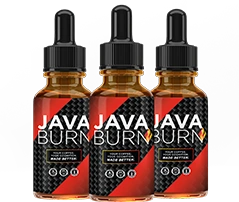
While diet and exercise are foundational, certain natural compounds can offer additional support for metabolic function. Ingredients found in supplements like JavaBurn are designed to work synergistically with your coffee to enhance fat burning and energy production, providing a complementary boost to your efforts.
Natural Support: How JavaBurn Can Complement Your Efforts
For those looking to give their metabolism an extra edge, natural supplements can play a supportive role. JavaBurn is designed to work in synergy with your daily coffee, leveraging specific ingredients known for their metabolic benefits.

Green Tea Extract (EGCG)
Role: Rich in epigallocatechin gallate (EGCG), green tea extract is a powerful antioxidant known to boost metabolism and promote fat oxidation. It can help increase the body's calorie and fat-burning capacity, especially when combined with caffeine.
Typically 200-500mg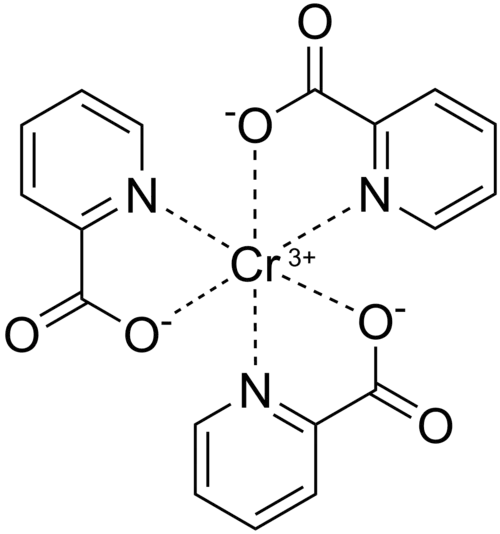
Chromium Picolinate
Role: This essential trace mineral is crucial for proper carbohydrate and lipid metabolism. It enhances the action of insulin, helping to regulate blood sugar levels, reduce cravings, and prevent fat storage, thereby supporting overall metabolic health.
Typically 100-200mcg
L-Carnitine
Role: L-carnitine plays a vital role in transporting fatty acids into the mitochondria of cells, where they are burned for energy. This makes it a key player in fat metabolism and can enhance your body's ability to utilize fat stores for fuel, particularly during exercise.
Typically 500-2000mg
L-Theanine
Role: An amino acid often found in green tea, L-Theanine works synergistically with caffeine to provide a smooth, focused energy without the jitters. It promotes relaxation and mental clarity, counteracting the potential negative side effects of caffeine while enhancing its metabolic benefits.
Typically 100-200mg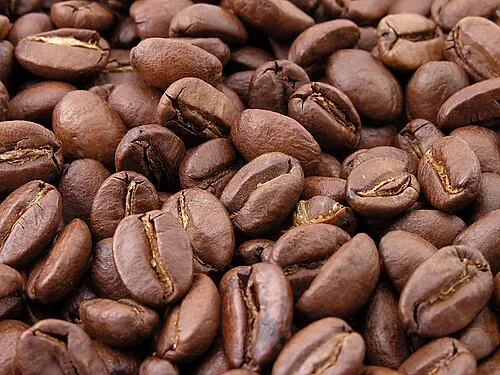
Chlorogenic Acid (from Green Coffee Bean Extract)
Role: Found abundantly in green coffee beans, chlorogenic acid is believed to inhibit glucose absorption in the gut, reduce glucose output from the liver, and improve fat metabolism. These actions contribute to better blood sugar control and reduced fat accumulation.
Typically 100-400mg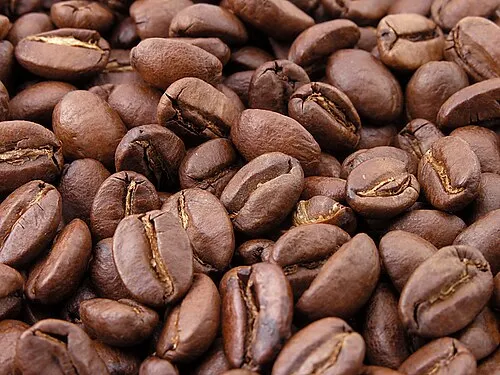
Natural Caffeine
Role: A well-known stimulant, caffeine boosts metabolism, increases fat oxidation, and enhances energy levels and exercise performance. When combined with other ingredients like EGCG and L-Theanine, its metabolic effects can be optimized while minimizing potential downsides.
Varies with coffee intakeBy combining these powerful ingredients, JavaBurn aims to create a unique metabolic synergy, making your morning coffee a potent ally in your quest for a faster metabolism and accelerated fat burning. For a detailed analysis, see our JavaBurn review 2026.
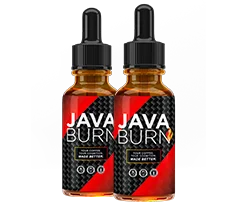
Unlock Your Full Metabolic Potential with JavaBurn
You've learned the power of exercise and lifestyle changes in boosting your metabolism. Now, imagine amplifying those efforts with a simple, natural addition to your daily routine. JavaBurn is scientifically formulated to work synergistically with your coffee, transforming it into a metabolic powerhouse.
- ✓ Enhances metabolic rate naturally
- ✓ Boosts energy and focus without jitters
- ✓ Accelerates fat burning and weight loss
- ✓ Supports healthy blood sugar levels
- ✓ All-natural, tasteless, and dissolves instantly



Real Results from Real People
"I combined my new HIIT routine with JavaBurn, and the results are incredible! My energy levels are through the roof, and I've shed those stubborn pounds faster than ever before. It's truly a game-changer for my metabolism."
"As someone approaching my 50s, I thought a slow metabolism was my destiny. But after incorporating strength training and JavaBurn into my mornings, I feel younger, stronger, and my waistline is shrinking. Highly recommend for anyone feeling stuck!"
"I used to struggle with energy crashes, especially after my workouts. JavaBurn has not only helped me push harder in the gym but also improved my overall metabolic efficiency. I'm burning fat consistently and feeling fantastic all day."
Frequently Asked Questions
What is metabolism and why is it important for weight loss?
+Metabolism is the process by which your body converts what you eat and drink into energy. A higher, more efficient metabolism means your body burns more calories at rest, making it easier to lose weight and keep it off. It's crucial for energy production, cellular repair, and maintaining overall bodily functions.
What types of exercises are best for boosting metabolism?
+High-Intensity Interval Training (HIIT) and strength training are particularly effective. HIIT creates an "afterburn effect" (EPOC), burning calories long after your workout. Strength training builds muscle mass, which inherently burns more calories at rest than fat tissue, thereby increasing your basal metabolic rate.
How often should I exercise to see metabolic benefits?
+For significant metabolic benefits, aim for at least 150 minutes of moderate-intensity aerobic activity or 75 minutes of vigorous-intensity activity per week, combined with two or more days of strength training for all major muscle groups. Consistency is key for long-term metabolic improvements.
Can diet impact how effective my metabolism-boosting exercises are?
+Absolutely. Exercise and diet work synergistically. A balanced diet rich in lean protein, fiber, and healthy fats supports muscle growth and provides the energy needed for workouts. Avoiding processed foods and refined sugars helps maintain stable blood sugar levels, which is crucial for optimal metabolic function and fat burning.
Is it possible to boost a naturally slow metabolism?
+Yes, while genetics play a role, lifestyle choices significantly influence your metabolic rate. Regular exercise, especially strength training and HIIT, adequate sleep, stress management, proper hydration, and a nutrient-dense diet can all contribute to improving a slow metabolism. Supplements like JavaBurn can also offer support.
How does JavaBurn fit into a metabolism-boosting routine?
+JavaBurn is designed to complement your efforts by providing a proprietary blend of natural ingredients that work synergistically with coffee to optimize metabolic function. Ingredients like green tea extract, chromium, and L-carnitine are known to support fat burning, energy levels, and nutrient metabolism, enhancing the benefits of your exercise regimen.
Related Articles