Are You Trapped in a Cycle of Slow Metabolism and Stubborn Weight Gain?
Many individuals find themselves battling inexplicable weight gain, persistent fatigue, and a general feeling of sluggishness, often attributing these issues to a "slow metabolism." This isn't just a convenient excuse; a sluggish metabolic rate can indeed make weight management a daunting challenge, turning every dietary effort into an uphill battle.
Understanding and addressing your metabolism is the first crucial step towards sustainable health and weight management. This article delves into the science behind a slow metabolism and, more importantly, provides actionable lifestyle changes that can effectively reverse it, helping you reclaim your energy and achieve your ideal body composition.
Understanding Your Metabolism: More Than Just Calories In, Calories Out
Your metabolism is the complex set of chemical processes that occur in your body to maintain life. It dictates how efficiently your body converts food into energy, how it stores fat, and how it burns calories. A "slow metabolism" means these processes are operating at a lower rate, leading to less energy expenditure and greater fat storage.
The primary component of your metabolism is your Basal Metabolic Rate (BMR), which is the number of calories your body burns at rest to perform basic functions like breathing, circulation, and cell production. While genetics, age, and gender play a role in BMR, lifestyle choices have a profound impact. Hormonal imbalances, chronic stress, poor sleep, and a sedentary lifestyle are significant contributors to a sluggish metabolism, often manifesting as persistent weight gain, difficulty losing weight, fatigue, and even cold sensitivity.
It's a common misconception that you're stuck with the metabolism you're born with. While some individuals naturally have a higher BMR, evidence suggests that strategic lifestyle interventions can significantly improve metabolic function and even reverse a slow metabolism. This article will guide you through these changes, offering a holistic approach to reigniting your body's internal furnace.
💡 Key Takeaway
Your metabolism is dynamic, not static. While genetics play a role, lifestyle factors like diet, exercise, and sleep are powerful levers you can pull to significantly improve your metabolic rate and overcome stubborn weight gain.
The Pillars of Metabolic Revival: Proven Lifestyle Changes
Reversing a slow metabolism isn't about quick fixes; it's about adopting sustainable habits that nourish your body and optimize its natural processes. Here are the key areas to focus on:
Optimize Your Nutrition: Fueling Your Metabolic Fire
What you eat, and how you eat it, dramatically influences your metabolic rate. Prioritize whole, unprocessed foods. Protein, in particular, has a high thermic effect, meaning your body burns more calories digesting it than fats or carbohydrates. Aim for a lean protein source at every meal to help preserve muscle mass and keep your metabolism revving. Incorporate complex carbohydrates like whole grains and fiber-rich vegetables, which provide sustained energy without drastic blood sugar spikes that can disrupt metabolic harmony.
Don't fall into the trap of extreme calorie restriction, which can send your body into "starvation mode," slowing your metabolism to conserve energy. Instead, focus on nutrient density and balanced portion sizes. For more insights on effective dietary strategies, you might find our article on weight-loss-remedies-that-work.html helpful.
Embrace Strength Training: Build Muscle, Burn More Calories
Muscle tissue is metabolically active, burning more calories at rest compared to fat tissue. This makes strength training one of the most effective strategies for long-term metabolic improvement. Incorporate resistance exercises like lifting weights, using resistance bands, or bodyweight exercises (squats, push-ups, lunges) into your routine at least 2-3 times per week. As you build muscle, your BMR naturally increases, meaning you'll burn more calories even when you're not exercising.
Combine this with regular cardiovascular exercise, such as high-intensity interval training (HIIT), which has been shown to create an "afterburn effect" (EPOC), where your body continues to burn calories at an elevated rate for hours post-workout. This dual approach maximizes both immediate and long-term metabolic benefits.
Prioritize Quality Sleep: The Unsung Metabolic Hero
Sleep is often overlooked but plays a critical role in metabolic regulation. Chronic sleep deprivation can disrupt hormones that control appetite (ghrelin and leptin) and increase cortisol levels, leading to increased fat storage, especially around the abdomen. It also impairs insulin sensitivity, making your body less efficient at processing glucose and more prone to storing it as fat. Aim for 7-9 hours of quality sleep per night to allow your body to repair, recover, and regulate metabolic hormones effectively.
Creating a consistent sleep schedule, ensuring a dark and cool bedroom, and avoiding screens before bed can significantly improve sleep quality and, consequently, your metabolism.
Manage Stress Effectively: Taming the Cortisol Beast
In our fast-paced world, chronic stress is rampant, and its impact on metabolism is profound. When stressed, your body releases cortisol, a hormone that, in excess, can promote fat storage, particularly visceral fat around the organs. Cortisol also influences blood sugar levels, leading to insulin resistance and a slower metabolism.
Implementing stress-reduction techniques such as meditation, yoga, deep breathing exercises, spending time in nature, or engaging in hobbies you enjoy can significantly lower cortisol levels. By managing stress, you create a more favorable hormonal environment for a healthy, active metabolism.
Stay Hydrated: Water's Essential Role in Metabolic Function
Water is fundamental to almost every bodily function, including metabolism. Dehydration, even mild, can slow down your metabolic rate. Water is essential for thermogenesis, the process of heat production in the body, which contributes to calorie burning. It also aids in nutrient transport and waste elimination, both vital for efficient metabolic processes. Drinking enough water can also help you feel full, reducing overall calorie intake.
Aim to drink at least 8 glasses (around 2 liters) of water daily, and more if you're active or in a hot climate. Starting your day with a glass of water can kickstart your metabolism.
Incorporate NEAT: The Power of Non-Exercise Activity Thermogenesis
Beyond structured exercise, your daily non-exercise physical activity plays a huge role in calorie expenditure. This includes everything from fidgeting and walking to standing and performing household chores. Increasing your NEAT throughout the day can significantly boost your total daily energy expenditure. Simple changes like taking the stairs instead of the elevator, parking further away, standing while working, or taking short walking breaks can add up to hundreds of extra calories burned per day, quietly yet effectively contributing to a faster metabolism.
Common Metabolic Myths Debunked
Myth: Eating small, frequent meals always boosts metabolism.
Reality: While it can help manage hunger and blood sugar, the metabolic boost from eating small, frequent meals versus fewer, larger meals is often negligible. The total calories and nutrient composition over the day matter more than meal frequency for metabolic rate. Focus on quality and satiety.
Myth: Certain "fat-burning" foods drastically speed up metabolism.
Reality: Foods like chili peppers or green tea can have a minor, temporary thermogenic effect. However, no single food will drastically speed up your metabolism to cause significant weight loss on its own. They are best viewed as supportive elements within a balanced diet, not magic bullets.
Myth: Crash diets are a quick way to reset metabolism.
Reality: Crash diets often lead to muscle loss and signal your body to conserve energy, resulting in a *slower* metabolism long-term. This is a primary reason for weight regain after restrictive dieting. Sustainable, moderate calorie deficits with adequate protein are far more effective for metabolic health.
Myth: You can't change your metabolism; it's all genetics.
Reality: While genetics provide a baseline, lifestyle factors such as diet, exercise, sleep, and stress management can significantly influence and optimize your metabolic rate. You have more control than you think over your metabolic health.
Synergistic Support: How JavaBurn Can Complement Your Metabolic Journey
While lifestyle changes are paramount, certain natural ingredients can offer synergistic support to optimize your metabolic function. JavaBurn, a natural coffee enhancer, is formulated with a proprietary blend of ingredients specifically chosen for their potential to boost metabolism, enhance fat burning, and increase energy levels when combined with coffee. It's designed to be a convenient addition to your morning routine, working in harmony with the healthy habits you're building.

Green Tea Extract (EGCG)
Role: Rich in catechins, particularly Epigallocatechin gallate (EGCG), which has been shown to increase norepinephrine, a hormone that signals fat cells to break down fat. EGCG also boosts thermogenesis and fat oxidation, especially when combined with caffeine.
300-500mg daily
L-Carnitine
Role: A crucial amino acid that helps transport fatty acids into the mitochondria of cells, where they are burned for energy. This process is vital for fat metabolism and can enhance energy production, especially during exercise.
500-2000mg daily
L-Theanine
Role: An amino acid found in green tea, L-Theanine works synergistically with caffeine to promote a state of "calm alertness." It helps reduce the jitters and anxiety often associated with caffeine while enhancing focus and cognitive function, supporting overall well-being during your metabolic journey.
100-200mg daily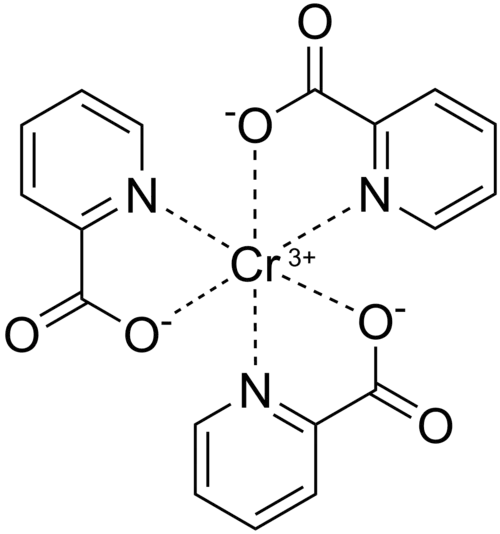
Chromium Picolinate
Role: An essential trace mineral that plays a key role in carbohydrate and lipid metabolism. It enhances the action of insulin, which is critical for blood sugar regulation and can help reduce cravings, particularly for carbohydrates, thereby supporting weight management efforts.
200-1000mcg daily
Chlorogenic Acid (from Green Coffee Bean Extract)
Role: Found in unroasted coffee beans, chlorogenic acid is believed to inhibit the enzyme alpha-glucosidase, which slows down the absorption of carbohydrates. It may also reduce glucose absorption in the gut and support healthy blood sugar levels, contributing to improved fat metabolism.
100-400mg daily
Caffeine
Role: A well-known stimulant that boosts metabolism by increasing thermogenesis and fat oxidation. It also enhances energy levels and can improve exercise performance, contributing to greater calorie expenditure. JavaBurn leverages the natural caffeine in your coffee for optimal synergy.
100-400mg daily (total from coffee + supplement)By combining these powerful ingredients, JavaBurn aims to create a metabolic synergy that can help optimize your body's fat-burning potential. This can be a valuable tool in your arsenal, especially if you're looking for natural weight loss relief remedies to support your ongoing lifestyle changes. For more information on how supplements can aid metabolism, check out our article on does-adding-supplement-to-coffee-work.html.
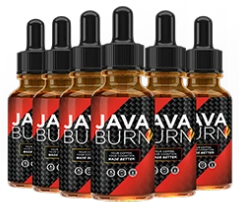
Ignite Your Metabolism with JavaBurn!
Don't let a slow metabolism hold you back any longer. JavaBurn offers a revolutionary way to supercharge your metabolic rate, enhance fat burning, and boost your energy levels, all by simply adding it to your morning coffee. Experience the difference a truly optimized metabolism can make in your weight management journey and overall vitality.
- ✓ All-natural, proprietary blend for metabolic enhancement
- ✓ Designed to work synergistically with coffee
- ✓ Boosts metabolism and promotes fat burning
- ✓ Increases energy and reduces cravings
- ✓ Made in the USA, GMP certified for quality



Hear From Our Satisfied Customers
"I've struggled with my weight for years, always feeling sluggish. Since adding JavaBurn to my coffee, I've noticed a significant change. My energy levels are up, and I've finally started shedding those stubborn pounds. It's truly been a game-changer!"
"I was skeptical at first, but JavaBurn really delivered. My metabolism felt like it was stuck in slow motion, but now I feel more active and my clothes are fitting better. The best part is how easy it is to use – just mix it in my morning coffee!"
"As a busy mom, I needed something to help with my energy and weight. JavaBurn has been amazing. I feel more vibrant, less bloated, and my cravings have significantly decreased. It's helped me stick to my healthy eating habits much more easily."
Frequently Asked Questions
What exactly is a 'slow metabolism' and how does it affect weight?
+A slow metabolism refers to a lower-than-average basal metabolic rate (BMR), meaning your body burns fewer calories at rest. This can lead to weight gain because if you consume more calories than your body naturally burns, the excess is stored as fat. Factors like age, genetics, activity level, and body composition all influence your BMR, and when it slows down, maintaining or losing weight becomes significantly more challenging.
Can lifestyle changes genuinely reverse a slow metabolism, or is it purely genetic?
+While genetics play a role in determining your inherent metabolic rate, lifestyle changes can profoundly influence and even reverse a slow metabolism. Regular exercise, especially strength training, can increase muscle mass, which boosts BMR. A balanced diet rich in protein and fiber, adequate sleep, stress management, and proper hydration all contribute to optimizing metabolic function, regardless of genetic predispositions. It's a powerful combination of nature and nurture.
How does diet specifically impact metabolic speed?
+Diet is a cornerstone of metabolic health. Eating enough protein boosts thermogenesis, the calorie-burning process during digestion. Whole foods, particularly fiber-rich fruits, vegetables, and whole grains, require more energy to process than refined foods, subtly increasing calorie expenditure. Conversely, restrictive dieting can signal your body to conserve energy, slowing metabolism. Regular, balanced meals, avoiding excessive processed foods, and ensuring adequate nutrient intake are key to supporting a healthy metabolic rate.
What role does exercise play in speeding up a sluggish metabolism?
+Exercise, particularly a combination of strength training and high-intensity interval training (HIIT), is incredibly effective for boosting metabolism. Strength training builds muscle, and muscle tissue burns more calories at rest than fat tissue, directly increasing your BMR. HIIT workouts create an 'afterburn effect' (EPOC), where your body continues to burn calories at an elevated rate for hours after your workout. Even moderate aerobic activity contributes to overall calorie expenditure and metabolic health.
Are there any specific supplements, like JavaBurn, that can help boost metabolism safely?
+Yes, certain natural ingredients found in supplements like JavaBurn are known for their metabolic-boosting properties. Ingredients such as green tea extract (rich in EGCG), chromium picolinate, L-carnitine, and chlorogenic acid (from green coffee bean extract) have been studied for their ability to support fat burning, improve insulin sensitivity, and enhance overall metabolic function. When combined with a healthy lifestyle, such supplements can provide additional support for individuals looking to optimize their metabolism safely and effectively.
How long does it typically take to see results from lifestyle changes aimed at reversing a slow metabolism?
+The timeline for seeing results can vary significantly from person to person, depending on individual factors like starting metabolic rate, consistency of changes, and overall health. Generally, noticeable improvements in energy levels, digestion, and slight weight changes can be observed within a few weeks to a couple of months. Significant metabolic shifts and sustained weight loss often require consistent effort over several months. Patience, persistence, and a holistic approach are crucial for long-term success.
Related Articles You Might Find Helpful