Are You Secretly Battling a Slowing Metabolism?
It's a common, often frustrating, experience: as we age, the numbers on the scale seem to creep up more easily, and shedding those extra pounds becomes an uphill battle. This isn't just a figment of your imagination; it's often a sign that your metabolism, the intricate process by which your body converts food into energy, is beginning to slow down.
Understanding and actively preventing this metabolic slowdown is not only crucial for maintaining a healthy weight but also for your overall vitality and disease prevention. In this comprehensive guide, we'll explore the science behind metabolic slowdown and equip you with practical, evidence-based strategies to keep your metabolism firing on all cylinders, because metabolic health is foundational to overall well-being.
Understanding Metabolic Slowdown: More Than Just "Getting Older"
Your metabolism is the sum of all chemical processes that occur in your body to maintain life. It dictates how quickly you burn calories, convert food into energy, and even repair cells. When we talk about a "slow metabolism," we're generally referring to a lower basal metabolic rate (BMR), which is the number of calories your body burns at rest to perform basic functions like breathing, circulation, and cell production.
While it's true that BMR tends to decline with age – typically by about 1-2% per decade after the age of 20 – this isn't solely due to the aging process itself. A significant contributor to this decline is the gradual loss of lean muscle mass (sarcopenia) that often accompanies aging, especially if physical activity isn't maintained. Muscle tissue is metabolically more active than fat tissue, meaning it burns more calories even when you're at rest. Therefore, losing muscle directly reduces your BMR.
Beyond age and muscle loss, several other factors can contribute to a sluggish metabolism and subsequent weight gain. These include: chronic stress, which can elevate cortisol levels and promote fat storage; insufficient sleep, disrupting hormones that regulate appetite and energy expenditure; sedentary lifestyles, where lack of movement means fewer calories burned; and poor dietary choices, particularly diets high in refined sugars and processed foods that can impair insulin sensitivity and metabolic efficiency. Understanding these underlying mechanisms is the first step towards taking control of your metabolic health.
💡 Key Takeaway
Metabolic slowdown is influenced by age, muscle mass, stress, sleep, and diet. It's not an inevitable decline but a process heavily impacted by lifestyle choices, making it largely preventable and reversible with targeted strategies.
The Core Pillars of a Revitalized Metabolism
To effectively prevent weight gain and combat metabolic slowdown, we must adopt a multi-faceted approach that addresses the fundamental aspects of our health. Think of these as the foundational pillars supporting a robust and efficient metabolism.
Nutrient-Dense Nutrition
What you eat directly fuels your metabolic engine. A diet rich in whole, unprocessed foods, lean proteins, healthy fats, and complex carbohydrates provides the necessary building blocks and energy for optimal metabolic function. It also helps regulate hormones that control hunger and satiety.
Consistent Physical Activity
Exercise is a powerful metabolic accelerator. Both strength training, which builds calorie-burning muscle, and cardiovascular activity, which boosts calorie expenditure and improves cardiovascular health, are vital. Even increasing non-exercise activity thermogenesis (NEAT) throughout the day contributes significantly.
Quality Sleep & Stress Management
Often overlooked, adequate sleep and effective stress reduction are critical for metabolic health. Poor sleep disrupts hormones like leptin and ghrelin, leading to increased hunger. Chronic stress elevates cortisol, promoting fat storage, especially around the abdomen. Prioritizing these areas supports hormonal balance and metabolic efficiency.
Optimal Hydration
Water is essential for nearly all bodily functions, including metabolic processes. Dehydration can slow down your metabolism, making it harder for your body to burn calories effectively. Aim for at least 8 glasses of water daily, more if you're active or in a hot climate.
Healthy Gut Microbiome
Emerging research highlights the profound connection between gut health and metabolism. A balanced gut microbiome can influence nutrient absorption, energy extraction from food, and even fat storage. Consuming probiotics and prebiotics can support a thriving gut environment.
Dietary Strategies for a Revved-Up Metabolism
Your plate is one of the most powerful tools you have to influence your metabolic rate. Making smart food choices can significantly impact how efficiently your body burns calories and manages weight.
Firstly, prioritize protein intake. Protein has a higher thermic effect of food (TEF) compared to fats and carbohydrates, meaning your body burns more calories digesting it. Aim for a lean protein source with every meal, such as chicken breast, fish, eggs, legumes, or Greek yogurt. This not only boosts calorie expenditure but also promotes satiety, helping to reduce overall calorie intake and prevent muscle loss during weight management. For example, replacing a carb-heavy breakfast with eggs or a protein smoothie can kickstart your metabolism for the day.
Secondly, embrace complex carbohydrates and fiber. Foods like whole grains, fruits, and vegetables are rich in fiber, which aids digestion, stabilizes blood sugar levels, and contributes to a feeling of fullness. Stable blood sugar prevents insulin spikes that can lead to fat storage. Avoid refined sugars and highly processed foods, which offer little nutritional value and can lead to metabolic dysfunction over time. Focus on vibrant, colorful produce that provides a wide array of vitamins, minerals, and antioxidants essential for cellular health and metabolic processes.
Don't shy away from healthy fats. While calorie-dense, healthy fats from sources like avocados, nuts, seeds, and olive oil are crucial for hormone production, nutrient absorption, and satiety. They help keep you full and prevent cravings, supporting long-term weight management. Incorporating these fats in moderation can actually help optimize your metabolism rather than hinder it.
Finally, consider meal timing and frequency. While there's no one-size-fits-all approach, some evidence suggests that consistent meal times and avoiding prolonged fasting (unless specifically part of an intermittent fasting regimen tailored to your body) can help keep your metabolism steady. Eating a substantial breakfast, for instance, has been shown to improve metabolic responses throughout the day. Listen to your body's hunger cues and aim for balanced meals that fuel you without overeating.
Exercise: Your Metabolic Accelerator
Beyond dietary adjustments, consistent and varied physical activity is arguably the most potent tool for preventing metabolic slowdown and promoting a healthy weight. Exercise doesn't just burn calories during the activity; it also has a lasting impact on your metabolic rate.
Strength training, often overlooked, is paramount. By building and maintaining muscle mass, you directly increase your basal metabolic rate. Remember, muscle tissue is metabolically active, burning more calories at rest than fat tissue. Incorporate full-body strength workouts 2-3 times per week, focusing on compound movements like squats, deadlifts, presses, and rows. You don't need heavy weights; bodyweight exercises or resistance bands can be incredibly effective.
Cardiovascular exercise is also essential for heart health and calorie expenditure. Aim for at least 150 minutes of moderate-intensity cardio (like brisk walking, jogging, cycling, or swimming) or 75 minutes of vigorous-intensity cardio per week. This type of exercise improves the efficiency of your circulatory system and enhances your body's ability to utilize oxygen, which is key for energy production.
For an extra metabolic boost, consider incorporating High-Intensity Interval Training (HIIT). HIIT involves short bursts of intense exercise followed by brief recovery periods. This method has been shown to significantly increase excess post-exercise oxygen consumption (EPOC), also known as the "afterburn effect," meaning your body continues to burn calories at an elevated rate for hours after your workout. Just a few sessions of HIIT per week can yield significant metabolic benefits.
Finally, don't underestimate the power of Non-Exercise Activity Thermogenesis (NEAT). This refers to the calories burned through daily activities that aren't structured exercise, such as walking, standing, fidgeting, and even gardening. Small changes, like taking the stairs instead of the elevator, parking further away, or standing while working, can add up to a substantial increase in daily calorie expenditure and keep your metabolism active throughout the day.
Lifestyle Factors Beyond Diet and Exercise
While nutrition and physical activity form the bedrock of metabolic health, a truly holistic approach acknowledges the profound impact of other lifestyle elements. These often-underestimated factors can either silently sabotage your efforts or powerfully amplify your metabolic potential.
Prioritize Quality Sleep
Chronic sleep deprivation wreaks havoc on your hormones. It increases ghrelin (the hunger hormone) and decreases leptin (the satiety hormone), leading to increased appetite and cravings for high-calorie foods. Furthermore, poor sleep can impair insulin sensitivity, increasing the risk of fat storage. Aim for 7-9 hours of uninterrupted sleep each night to allow your body to reset and optimize metabolic function.
Master Stress Management
In today's fast-paced world, chronic stress is endemic. When stressed, your body releases cortisol, a hormone that, in excess, can promote abdominal fat accumulation and impair metabolic efficiency. Finding healthy ways to manage stress—be it through meditation, yoga, spending time in nature, or engaging in hobbies—is vital for maintaining a healthy metabolism and preventing stress-induced weight gain.
Stay Adequately Hydrated
Water is more than just a thirst quencher; it's a critical component of metabolic processes. Dehydration can slow down your metabolism and reduce the efficiency of fat burning. Drinking enough water also helps you feel full, potentially reducing overall calorie intake. Make it a habit to sip water throughout the day, aiming for at least 8 glasses, or more if you're active.
Support Gut Health
The trillions of microorganisms in your gut play a surprisingly significant role in your metabolism. A diverse and healthy gut microbiome can influence how you digest food, absorb nutrients, and even store fat. Incorporate fermented foods like yogurt, kefir, and sauerkraut, and plenty of fiber-rich fruits, vegetables, and whole grains to nourish your gut bacteria.
The Role of Targeted Nutritional Support for Metabolic Health
Even with the most diligent efforts in diet, exercise, and lifestyle, some individuals may find their metabolism still needs an extra nudge. This is where targeted nutritional support, in the form of high-quality supplements, can play a beneficial role. Certain natural compounds and nutrients have been studied for their ability to support metabolic functions, enhance fat burning, and improve energy levels.
These supplements are not magic pills, but rather tools that can work in synergy with healthy habits to optimize your body's natural metabolic processes. They can help address specific nutritional gaps, provide compounds that boost thermogenesis (heat production, leading to calorie burning), improve insulin sensitivity, or support the efficient transport of fatty acids for energy. When considering such support, it's crucial to look for products with scientifically backed ingredients and transparent formulations.
For an in-depth comparison of various options and what to look for, you might find our article on top weight loss supplements compared in 2026 insightful. It highlights key considerations for choosing effective and safe metabolic support.
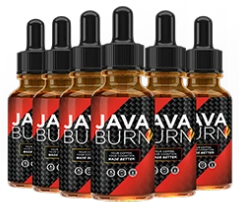
One such innovative solution that has gained attention for its unique approach to metabolic enhancement is JavaBurn. It leverages the power of natural ingredients to work synergistically with your daily coffee, aiming to amplify your body's fat-burning furnace and support overall metabolic efficiency.
Introducing JavaBurn: A Metabolic Support Blend Designed for Your Coffee
JavaBurn stands out in the crowded market of metabolic supplements due to its distinctive delivery method and carefully selected blend of ingredients. It's a tasteless, dissolvable powder designed to be mixed directly into your morning coffee, creating a powerful "coffee synergy" effect that aims to optimize your metabolism without altering the taste of your beloved brew.
The premise behind JavaBurn is simple yet effective: certain natural compounds, when combined with the caffeine and other natural elements present in coffee, can create an amplified metabolic response. This synergistic interaction is intended to not only boost your body's natural fat-burning capabilities but also to increase energy levels, suppress appetite, and improve overall wellness. This unique approach makes JavaBurn a standout among weight loss coffee additive powders.
JavaBurn is formulated to be 100% natural, vegetarian, non-GMO, and gluten-free, with no added fillers, preservatives, or artificial colors. Each batch is manufactured in the USA in an FDA-approved and GMP-certified facility, ensuring high standards of quality and purity. The goal is to provide a safe and effective way to potentially enhance your metabolic rate and support healthy weight management, making your daily coffee ritual a powerful tool for your health goals.
Key Ingredients in JavaBurn Supporting Metabolic Health
JavaBurn's efficacy lies in its proprietary blend of clinically-researched ingredients, each playing a specific role in enhancing metabolic function and promoting overall well-being. Here's a closer look at some of the core components:
Caffeine
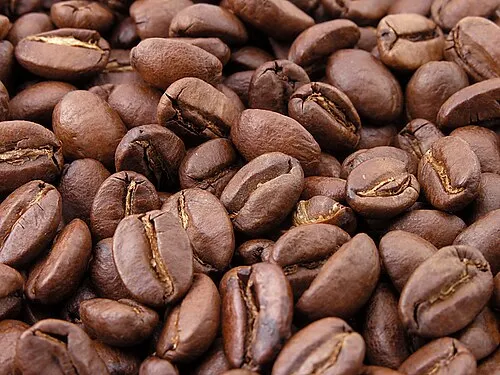
Role: A well-known stimulant, caffeine boosts thermogenesis and fat oxidation. It also enhances alertness and can reduce appetite. In JavaBurn, it synergizes with coffee's natural caffeine for an amplified effect.
Typically 100-200mg
Green Tea Extract (EGCG)
Role: Rich in catechins, particularly Epigallocatechin gallate (EGCG), green tea extract is a powerful antioxidant that enhances fat oxidation and thermogenesis, especially when combined with caffeine. It supports metabolic rate and energy expenditure.
Typically 300-500mg
L-Carnitine
Role: This amino acid plays a crucial role in the transport of fatty acids into the mitochondria, where they are burned for energy. By facilitating fat metabolism, L-Carnitine helps convert stored fat into usable energy, supporting weight loss and exercise performance.
Typically 50-100mg
L-Theanine
Role: Often found in green tea, L-Theanine is an amino acid known for its calming effects. It works synergistically with caffeine to promote a state of relaxed alertness, reducing jitters and anxiety while improving focus and cognitive function. This creates a smoother energy experience.
Typically 100-200mg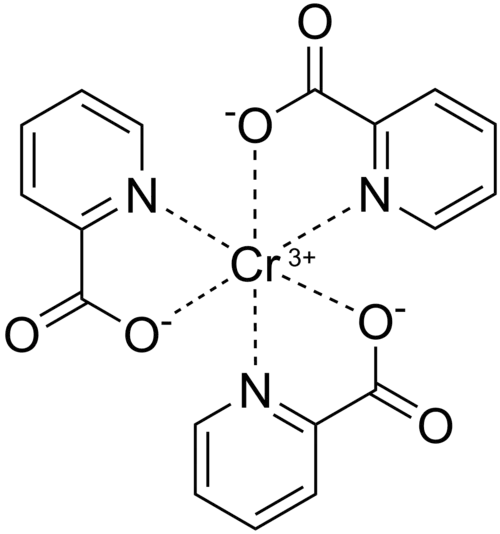
Chromium Picolinate
Role: An essential trace mineral, Chromium Picolinate helps improve insulin sensitivity and regulate blood sugar levels. By enhancing the action of insulin, it supports the efficient metabolism of carbohydrates and fats, potentially reducing cravings and fat storage.
Typically 20-30mcg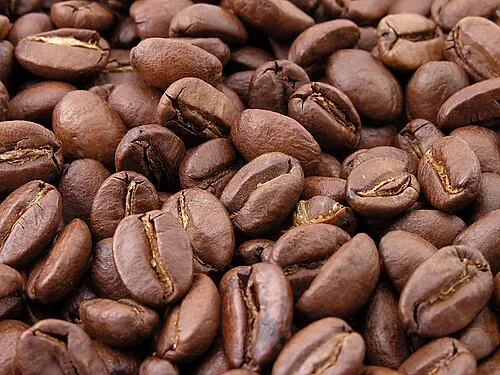
Chlorogenic Acid (from Green Coffee Bean Extract)
Role: Found in unroasted coffee beans, chlorogenic acid is a powerful antioxidant that helps reduce the absorption of carbohydrates from the digestive tract, lowers blood sugar levels, and improves fat metabolism. It can also support healthy blood pressure.
Typically 100-200mg
Reignite Your Metabolism with JavaBurn
If you're ready to take a proactive step against metabolic slowdown and support your body's natural ability to burn fat and maintain a healthy weight, JavaBurn offers a convenient and effective solution. Its unique blend of natural ingredients, designed to work synergistically with your morning coffee, can help you unlock your metabolic potential.
- ✓ Boosts metabolism and fat burning naturally
- ✓ Increases energy and reduces cravings
- ✓ 100% natural, vegetarian, non-GMO formula
- ✓ Tasteless powder, easily mixes with coffee
- ✓ Made in USA, FDA-approved, GMP-certified facility



Real People, Real Metabolic Transformations
"I was skeptical at first, but JavaBurn has truly transformed my mornings and my metabolism. I feel more energetic, less bloated, and the stubborn weight around my waist is finally starting to shift. It's so easy to use, just add it to my coffee!"
"For years, I struggled with a slow metabolism and constant fatigue. Since adding JavaBurn to my routine, I've noticed a significant boost in my energy levels and my cravings have diminished. It's helped me stay consistent with my diet and exercise, leading to noticeable weight loss."
"I love my coffee, and JavaBurn just makes it better! No taste difference, but I feel the metabolic difference. My clothes fit better, and I feel lighter and more active throughout the day. This has been a game-changer for my metabolic health journey."
To read more about the experiences of others, visit our JavaBurn reviews and real results page.
Frequently Asked Questions
What are the primary causes of a slowing metabolism?
+Metabolism naturally slows with age due to muscle mass loss and hormonal changes. Other key factors include sedentary lifestyles, chronic stress, insufficient sleep, poor nutrition (especially diets low in protein and high in refined sugars), dehydration, and certain medical conditions or medications. Genetic predisposition also plays a role in how efficiently your body burns calories.
How can I naturally boost my metabolism without relying on supplements?
+Boosting your metabolism naturally involves a holistic approach. Prioritize strength training to build muscle, which burns more calories at rest. Incorporate high-intensity interval training (HIIT) and regular cardio. Ensure adequate sleep (7-9 hours), manage stress effectively, stay well-hydrated, and eat a protein-rich diet with plenty of fiber and healthy fats. Avoid excessive calorie restriction, which can signal your body to conserve energy.
Is JavaBurn a stimulant, and will it cause jitters or anxiety?
+JavaBurn contains natural caffeine, which is a stimulant, but it is formulated to work synergistically with L-Theanine. L-Theanine is an amino acid known to promote a calm, focused state and can help mitigate the potential jitters or anxiety often associated with caffeine alone. Most users report a smooth, sustained energy boost without the typical crash or nervousness.
How long does it typically take to see results when using JavaBurn?
+Results can vary based on individual metabolism, lifestyle, and consistency of use. While some users report noticeable changes in energy and appetite within the first few weeks, significant metabolic improvements and weight management benefits are typically observed after 60 to 90 days of consistent use. For optimal results, combining JavaBurn with a healthy diet and regular exercise is recommended.
Are there any known side effects or contraindications for JavaBurn?
+JavaBurn is made from 100% natural ingredients and is generally well-tolerated. It is manufactured in an FDA-approved, GMP-certified facility. However, as with any supplement, some individuals may experience mild digestive upset or sensitivity to caffeine. If you have any pre-existing medical conditions, are pregnant or nursing, or are taking medications, it is always advisable to consult with your healthcare provider before starting any new supplement regimen.
Can JavaBurn be taken with decaffeinated coffee or other beverages?
+While JavaBurn is designed to be added to your morning coffee to leverage the synergistic effects of its ingredients with coffee's natural compounds, it can technically be mixed with any hot or cold beverage. However, for maximum metabolic boosting potential as intended by its formulation, regular coffee is recommended. If you prefer decaffeinated coffee, the core ingredients of JavaBurn will still offer benefits, but the full "coffee synergy" might be slightly less pronounced.
Related Articles