Struggling with a slow metabolism and stubborn weight gain?
Many individuals find themselves caught in a frustrating cycle: despite their best efforts, the numbers on the scale refuse to budge, and their energy levels remain consistently low. This often points to an underlying issue of a sluggish metabolism, a critical factor in how efficiently your body burns calories and manages weight.
While various factors influence metabolic rate, from genetics to activity levels, one of the most impactful and often overlooked dietary components is protein. Understanding how protein works within your body can revolutionize your approach to weight loss, offering a sustainable path to a naturally boosted metabolism and effective fat burning.
The Foundational Role of Metabolism in Weight Management
Before diving into protein's magic, let's establish a clear understanding of metabolism and its profound impact on your body weight.
Your metabolism is the complex set of chemical processes that convert the food you eat into energy. This energy powers everything from breathing and circulating blood to repairing cells and exercising. When we talk about a "slow metabolism," we generally refer to a lower-than-average Basal Metabolic Rate (BMR), which is the number of calories your body burns at rest to maintain basic functions. A slower BMR means your body burns fewer calories throughout the day, making it easier to accumulate excess fat, even if your caloric intake isn't excessively high. This often leads to the frustrating condition of slow metabolism and weight gain, where losing weight feels like an uphill battle.
Several factors influence your BMR, including age, gender, genetics, body size, and body composition. Notably, muscle tissue burns more calories at rest than fat tissue. This is a crucial point we will revisit when discussing protein. Understanding your metabolic rate is the first step toward effective weight management, and optimizing it through diet and lifestyle changes is key to sustainable results.
💡 Key Takeaway
A slow metabolism (low BMR) makes weight loss challenging, as your body burns fewer calories at rest. Factors like muscle mass significantly influence your metabolic rate, highlighting the importance of body composition.
Protein's Power: The Thermic Effect of Food (TEF)
One of the most direct ways protein boosts your metabolism is through a phenomenon called the Thermic Effect of Food.
What is TEF?
The Thermic Effect of Food (TEF), also known as diet-induced thermogenesis, is the energy your body expends to digest, absorb, and metabolize the nutrients from your food. Essentially, it's the "cost" of processing what you eat. Different macronutrients have varying TEF values.
Protein's High TEF
Among the three macronutrients – carbohydrates, fats, and protein – protein has by far the highest TEF. While carbohydrates have a TEF of 5-10% and fats 0-3%, protein boasts an impressive TEF of 20-30%. This means that for every 100 calories of protein you consume, your body uses 20-30 calories just to process it. This is significantly more than carbs or fats, translating to a higher overall calorie expenditure throughout the day.
Boosting Daily Calorie Burn
By simply increasing your protein intake, you naturally increase your daily calorie burn without necessarily increasing your activity level. This metabolic boost, though seemingly small per meal, adds up significantly over time, making it easier to maintain a calorie deficit necessary for weight loss. It's like giving your metabolism a gentle, continuous push in the right direction.
Sustained Energy Expenditure
The metabolic cost of digesting protein is not only higher but also more prolonged compared to other macronutrients. This sustained energy expenditure contributes to a higher overall daily energy output, helping to counteract the common issue of a slow metabolism. It means your body is working harder for longer after a protein-rich meal.
Protein, Muscle Mass, and Your Basal Metabolic Rate (BMR)
Beyond the immediate energy cost of digestion, protein plays a critical role in maintaining and building muscle mass, which directly impacts your resting metabolism.
Muscle tissue is metabolically active, meaning it burns more calories at rest compared to fat tissue. For every pound of muscle you carry, your body burns approximately 6-10 calories per day, whereas a pound of fat only burns about 2-3 calories. This difference, though seemingly minor, becomes substantial when you consider your entire body composition. A person with more muscle mass will naturally have a higher BMR than someone of the same weight with more fat mass.
Protein is the fundamental building block of muscle. When you consume protein, your body breaks it down into amino acids, which are then used for muscle protein synthesis (MPS). Adequate protein intake, especially when combined with resistance training, is essential for:
- Preserving Muscle During Weight Loss: When you're in a calorie deficit to lose weight, your body can sometimes break down muscle tissue for energy. A high-protein diet helps to signal your body to preserve muscle mass, ensuring that the weight you lose is primarily fat.
- Building New Muscle: For those incorporating strength training, sufficient protein is crucial for muscle repair and growth. More muscle means a higher BMR, which translates to burning more calories even when you're not exercising. This is a powerful antidote to slow metabolism and weight gain.
- Preventing Metabolic Slowdown: Many conventional diets lead to a metabolic slowdown because they cause muscle loss. By prioritizing protein, you can mitigate this effect, maintaining a healthier metabolism throughout your weight loss journey.
This synergistic relationship between protein, muscle, and BMR is a cornerstone of effective and sustainable weight management. It explains why simply cutting calories often leads to a rebound in weight; without adequate protein, muscle is lost, and the metabolism slows down, making it harder to keep the weight off.
💡 Key Takeaway
Muscle tissue burns more calories at rest than fat. Protein is vital for preserving existing muscle and building new muscle, directly increasing your Basal Metabolic Rate (BMR) and preventing metabolic slowdown during weight loss.
Protein and Satiety: Controlling Cravings and Appetite
Beyond its direct metabolic effects, protein also plays a crucial role in appetite regulation, helping you feel fuller for longer and reducing overall calorie intake.
Increased Satiety
Protein is renowned for its ability to promote feelings of fullness and satisfaction. Compared to carbohydrates and fats, protein stimulates the release of satiety hormones like PYY and GLP-1, while simultaneously reducing levels of ghrelin, the "hunger hormone." This hormonal interplay helps to signal to your brain that you're full, leading to reduced overall calorie consumption without feeling deprived. This is particularly important for individuals struggling with constant hunger and cravings, which often accompany a slow metabolism.
Reduced Snacking and Cravings
By keeping you feeling full, a high-protein diet naturally reduces the urge to snack between meals and curbs cravings for unhealthy foods. This can be a game-changer for weight loss, as mindless snacking and sugary treats are often significant contributors to excess calorie intake. Integrating protein into every meal can create a more stable blood sugar response, further preventing energy crashes that trigger cravings.
Better Calorie Control
Ultimately, the enhanced satiety provided by protein leads to better calorie control. Studies have shown that individuals on higher protein diets naturally consume fewer calories without consciously restricting themselves. This effortless reduction in intake, combined with the metabolic boost from TEF and muscle preservation, creates a powerful synergy for effective and sustainable weight loss.
Practical Strategies: How to Incorporate More Protein for Metabolic Health
Knowing the benefits is one thing; putting them into practice is another. Here’s how you can strategically increase your protein intake to optimize your metabolism and support weight loss.
1. Calculate Your Needs: A general guideline for weight loss and metabolic support is 1.6 to 2.2 grams of protein per kilogram of body weight per day (or 0.7 to 1 gram per pound). For example, a 150-pound individual might aim for 105-150 grams of protein daily. This range helps maximize TEF and muscle preservation.
2. Prioritize Protein at Every Meal: Instead of loading up on protein just at dinner, distribute your intake throughout the day. Aim for 20-40 grams of protein per meal, depending on your total daily target. This helps maintain satiety and keeps muscle protein synthesis elevated. A protein-rich breakfast, for instance, can set a positive metabolic tone for the entire day.
3. Choose Lean, Whole Protein Sources: Focus on nutrient-dense, unprocessed proteins. Excellent choices include:
- Animal Sources: Chicken breast, turkey, lean beef, fish (salmon, tuna, cod), eggs, Greek yogurt, cottage cheese.
- Plant Sources: Lentils, beans, chickpeas, tofu, tempeh, edamame, quinoa, nuts, and seeds.
4. Smart Snacking: If you need a snack, make it protein-based. Hard-boiled eggs, a handful of almonds, Greek yogurt, or a protein shake can keep hunger at bay and contribute to your daily protein target. This is far more effective than carbohydrate-heavy snacks for maintaining a stable metabolism.
5. Combine with Fiber and Healthy Fats: While protein is key, a balanced diet is crucial. Pair your protein with plenty of fiber-rich vegetables, fruits, and healthy fats (avocado, olive oil, nuts) for optimal nutrient absorption, sustained energy, and overall health. These components work synergistically to support a healthy metabolism.
6. Consider Supplements (Wisely): If meeting your protein goals through whole foods is challenging, protein powders (whey, casein, plant-based) can be a convenient option. They are not a substitute for whole foods but can be a helpful tool. For those exploring additional metabolic support, natural supplements like JavaBurn, which contains ingredients known to enhance metabolic function, can be considered as a complementary strategy. You can learn more about how different supplements compare in our article on JavaBurn vs. Phen24 vs. Leanbean.
By consciously integrating these strategies, you can harness the full power of protein to transform your metabolism and achieve your weight loss goals, combating the effects of slow metabolism and weight gain effectively.
💡 Key Takeaway
To boost metabolism, aim for 1.6-2.2g protein/kg body weight daily, distributed across meals. Prioritize lean, whole protein sources and combine them with fiber and healthy fats for optimal results.
Beyond Protein: Natural Metabolic Boosters in JavaBurn
While protein is a cornerstone of metabolic health, certain natural compounds can further amplify your body's fat-burning capabilities. JavaBurn is formulated with a blend of such ingredients, designed to work in synergy with a healthy diet and lifestyle, helping to optimize a slow metabolism.
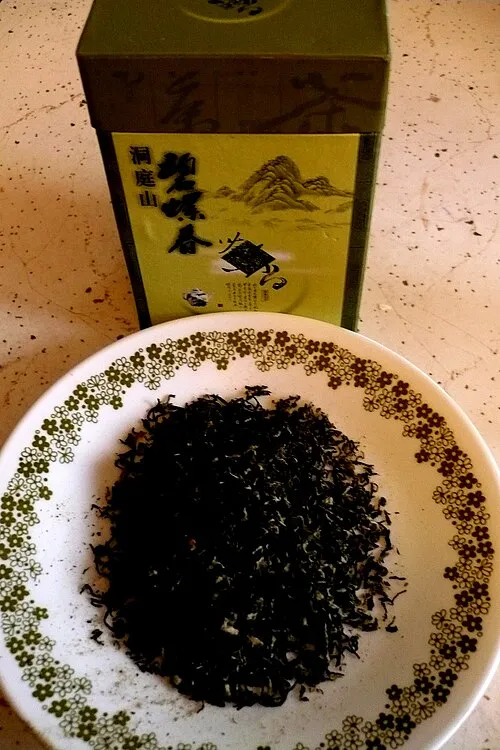
Green Tea Extract (EGCG)
Role: Rich in catechins, particularly Epigallocatechin Gallate (EGCG), green tea extract is a potent thermogenic. It helps increase norepinephrine, a hormone that signals fat cells to break down fat, and enhances overall calorie expenditure, directly supporting a faster metabolism.
Typical Dose: 300-500mg (standardized to EGCG)
L-Carnitine
Role: L-Carnitine plays a critical role in transporting long-chain fatty acids into the mitochondria of cells, where they can be burned for energy. This process is essential for fat metabolism, and adequate L-Carnitine levels can enhance your body's ability to utilize fat stores for fuel, particularly during exercise.
Typical Dose: 500-2000mg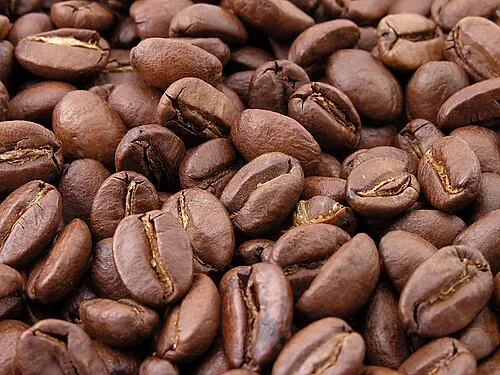
Chlorogenic Acid (from Green Coffee Bean)
Role: Found in green coffee beans, chlorogenic acid is believed to inhibit glucose absorption in the gut, reduce glucose output from the liver, and improve insulin sensitivity. These actions can help regulate blood sugar levels, reduce fat storage, and support a healthier metabolic profile, countering the effects of slow metabolism.
Typical Dose: 200-400mg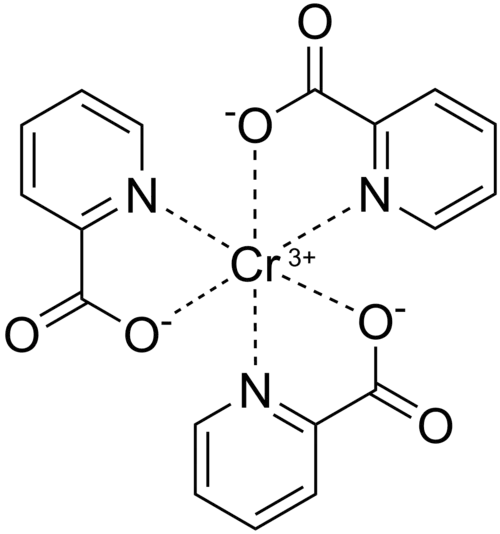
Chromium Picolinate
Role: Chromium is an essential trace mineral that enhances the action of insulin, a hormone critical for carbohydrate, fat, and protein metabolism. By improving insulin sensitivity, chromium picolinate can help regulate blood sugar, reduce cravings, and potentially decrease body fat while preserving lean muscle mass.
Typical Dose: 200-1000mcg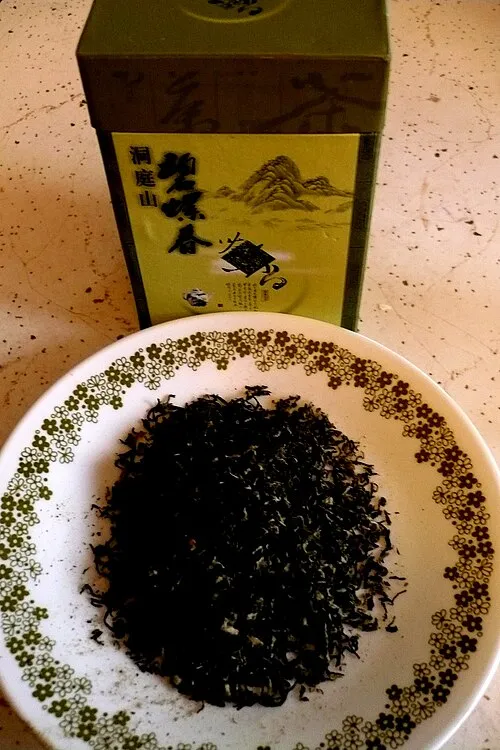
L-Theanine
Role: Often found in green tea, L-Theanine is an amino acid known for its calming effects, promoting relaxation without drowsiness. When combined with caffeine, it can create a synergistic effect, enhancing focus and alertness while mitigating the jitteriness sometimes associated with caffeine, supporting sustained energy for activity.
Typical Dose: 100-200mg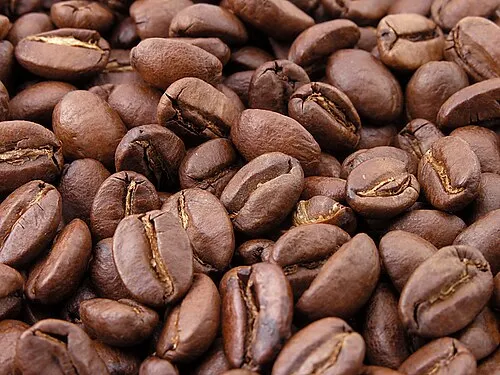
Natural Caffeine
Role: A well-known stimulant, caffeine can temporarily boost metabolic rate and enhance fat oxidation. It increases energy expenditure and can improve physical performance, making it easier to engage in activities that further support weight loss. JavaBurn often uses caffeine from natural sources for a smoother energy release.
Typical Dose: 50-150mg.webp)
Alpha-Lipoic Acid (ALA)
Role: Alpha-Lipoic Acid is a powerful antioxidant that plays a role in energy metabolism. It helps convert glucose into energy and may improve insulin sensitivity, similar to chromium. By supporting efficient nutrient utilization, ALA can contribute to better metabolic function and aid in preventing fat storage.
Typical Dose: 300-600mgThese ingredients, when combined with a protein-rich diet and active lifestyle, offer a comprehensive approach to tackling slow metabolism and weight gain. For those interested in where to find this powerful blend, you can find more information about where to buy JavaBurn at the best price.
Synergy: How Protein and Lifestyle Choices Enhance Each Other
Achieving and maintaining a healthy metabolism is not about a single magic bullet, but rather a synergistic combination of smart dietary choices and a consistent lifestyle.
When you combine a high-protein diet with other healthy habits, the benefits multiply. For instance:
- Strength Training: Lifting weights or engaging in bodyweight exercises stimulates muscle protein synthesis, directly translating to more muscle mass. When you fuel this process with adequate protein, you maximize muscle growth, which in turn elevates your BMR. This is one of the most effective ways to combat a naturally slow metabolism.
- Cardiovascular Exercise: While strength training builds muscle, cardio burns calories and improves cardiovascular health. A protein-rich diet supports recovery and helps preserve muscle mass even during intense cardio sessions, preventing metabolic slowdown that can occur with excessive cardio without proper nutrition.
- Adequate Sleep: Poor sleep disrupts hormones that regulate appetite (ghrelin and leptin) and can impair insulin sensitivity, making weight loss harder. A well-rested body is better at processing nutrients, burning fat, and managing hunger signals, allowing your high-protein diet to work more effectively.
- Stress Management: Chronic stress elevates cortisol levels, which can promote fat storage, especially around the abdomen, and contribute to a sluggish metabolism. Incorporating stress-reducing practices like meditation, yoga, or spending time in nature can create a more metabolically favorable internal environment.
- Hydration: Water is essential for every metabolic process in your body. Staying well-hydrated can also help with satiety and ensures that your body can efficiently break down and utilize the protein you consume.
Think of protein as a powerful engine, and these lifestyle choices as the premium fuel and expert maintenance that allow it to run at peak performance. Neglecting these other factors, even with a perfect protein intake, can limit your metabolic potential. For additional natural approaches to boost your metabolism, consider exploring herbs for weight loss and metabolism.
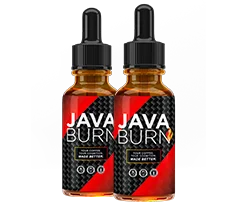
Ready to Ignite Your Metabolism and Accelerate Fat Loss?
You've learned how protein can profoundly impact your metabolism and weight loss journey. Now, imagine amplifying those effects with a natural, scientifically-backed formula designed to work synergistically with your body.
- ✓ Boosts Metabolic Rate Naturally
- ✓ Enhances Fat Burning Efficiency
- ✓ Increases Energy Levels & Focus
- ✓ Supports Healthy Blood Sugar
- ✓ Made with 100% Natural Ingredients



Real People, Real Results with JavaBurn
"I was skeptical, but JavaBurn combined with my new high-protein diet has been a revelation! My energy is up, cravings are down, and I've finally started seeing consistent weight loss. It truly feels like my metabolism woke up."
"After years of struggling with a slow metabolism and feeling sluggish, JavaBurn provided the extra push I needed. I feel more vibrant, and the scale is finally moving in the right direction. It blends seamlessly with my morning coffee."
"I've tried countless supplements, but JavaBurn is different. The natural boost to my metabolism is noticeable, and I'm losing fat while maintaining my muscle. It's an excellent addition to my fitness routine and protein-focused meals."
Frequently Asked Questions
How much protein do I need daily for weight loss and a boosted metabolism?
+For weight loss and metabolic health, a general recommendation is to consume 1.6 to 2.2 grams of protein per kilogram of body weight per day. This intake helps maximize the thermic effect of food, preserve muscle mass during calorie restriction, and enhance satiety. Distribute protein intake evenly across meals for optimal absorption and benefits.
Can increasing protein intake alone boost my metabolism significantly?
+While increasing protein intake is a powerful strategy to boost metabolism through the Thermic Effect of Food (TEF) and muscle preservation, it works best as part of a holistic approach. Combining a high-protein diet with regular strength training, adequate sleep, stress management, and proper hydration will yield the most significant and sustainable metabolic improvements.
What are the best sources of lean protein for metabolic health?
+Excellent sources of lean protein include chicken breast, turkey, lean beef, fish (salmon, tuna, cod), eggs, Greek yogurt, cottage cheese, lentils, beans, tofu, tempeh, and quinoa. Prioritizing whole, unprocessed protein sources ensures you also get essential vitamins and minerals that support overall metabolic function.
How does JavaBurn support metabolism and weight loss alongside a high-protein diet?
+JavaBurn is designed to complement a healthy lifestyle, including a protein-rich diet, by enhancing metabolic speed and fat-burning efficiency. Its blend of natural ingredients like green tea extract, L-carnitine, and chromium works synergistically to optimize the metabolic processes, improve insulin sensitivity, and boost energy expenditure, helping your body utilize the benefits of protein more effectively for weight loss.
Are there any risks associated with a high-protein diet for weight loss?
+For most healthy individuals, a high-protein diet within recommended ranges (up to 2.2 g/kg body weight) is safe and beneficial. However, individuals with pre-existing kidney conditions should consult their doctor before significantly increasing protein intake. Always ensure adequate hydration and a balanced diet rich in fiber, vitamins, and minerals alongside higher protein consumption.
How quickly can I expect to see metabolic improvements from increasing protein intake?
+You may notice initial benefits like increased satiety and reduced cravings within days or a few weeks of consistently increasing your protein intake. Significant changes in metabolic rate and body composition, such as increased muscle mass and reduced body fat, typically take several weeks to months of consistent effort, combining diet with regular exercise. Consistency is key for lasting results.
Related Articles