Is your daily water intake truly supporting your weight loss goals, or is it an overlooked factor silently sabotaging your progress?
In the complex journey of weight management, countless diets, exercise routines, and supplements grab our attention. Yet, one of the most fundamental, accessible, and powerful tools often gets sidelined: water. We hear about drinking enough water, but do we truly understand its profound impact on our metabolism and ability to shed unwanted pounds?
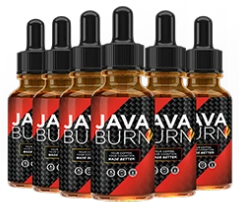
As a metabolic health researcher, I've seen firsthand how a simple shift in hydration habits can unlock significant metabolic advantages. Water isn't just a thirst quencher; it's a critical component in nearly every bodily function, especially those related to energy expenditure and fat metabolism. Optimizing your water intake creates a powerful metabolic synergy, paving the way for more efficient fat burning and sustained energy. While water alone is a powerful agent, some individuals look for additional support to maximize their metabolic potential, and that's where targeted nutritional support, like a metabolism-boosting coffee additive, can play a complementary role.
The Unseen Architect: Water's Foundational Role in Metabolic Health
Before we delve into its direct impact on weight loss, it's crucial to appreciate water's ubiquitous presence and function within our bodies. It’s not merely a beverage; it’s the solvent, the transporter, and the medium for life itself.
Comprising approximately 60% of an adult's body weight, water is involved in virtually every physiological process. From regulating body temperature through sweating to lubricating joints, its roles are extensive. But for metabolic health, its function as a solvent is paramount. Water allows nutrients, such as vitamins, minerals, and glucose, to be dissolved and transported to cells where they are needed for energy production. Without adequate water, these vital substances cannot reach their destinations efficiently, leading to cellular starvation and impaired function.
Furthermore, water is indispensable for the proper functioning of enzymes, which are the biological catalysts that drive metabolic reactions. Imagine trying to run a complex chemical factory without the necessary liquids – reactions would grind to a halt. Similarly, a body deprived of sufficient water experiences a slowdown in enzyme activity, directly contributing to a sluggish metabolism. This inefficiency means your body burns fewer calories at rest, making it harder to maintain a healthy weight and significantly impeding any weight loss efforts. In essence, proper hydration ensures that your internal metabolic machinery is well-oiled and operating at its peak efficiency, a non-negotiable factor for anyone struggling with slow metabolism and weight gain.
💡 Key Takeaway
Water is not just a beverage; it's the fundamental medium for all metabolic reactions. Insufficient hydration can significantly impede cellular processes, directly contributing to a sluggish metabolism and making weight loss an uphill battle.
Water-Induced Thermogenesis: Your Body's Calorie-Burning Secret
One of the most exciting and often overlooked aspects of water's role in weight loss is its ability to induce thermogenesis – the process of heat production in organisms, which inherently burns calories.
When you drink water, especially cold water, your body has to expend energy to warm that water up to your core body temperature (around 98.6°F or 37°C). This energy expenditure contributes to your daily calorie burn. Research has shown that drinking approximately 500 ml (about two glasses) of water can temporarily increase your resting energy expenditure by 24-30% for up to an hour. While this might seem like a small amount per glass, when integrated consistently throughout the day, these small increases accumulate, contributing significantly to your overall daily calorie deficit.
Consider this: if you drink 2-3 liters of water per day, the calories burned through water-induced thermogenesis can add up to approximately 50-100 extra calories burned daily, without any additional effort. Over weeks and months, this can translate into noticeable differences in weight management. This effect is particularly beneficial for individuals with a slow metabolism, as it provides a simple, accessible way to gently nudge their metabolic rate upwards. Much like how certain compounds in coffee can stimulate thermogenesis, providing a natural boost to your metabolism, water offers a similar, albeit gentler, effect. To learn more about how coffee can impact your metabolism, read our article on how coffee affects metabolism and weight loss.
Fueling the Fat Furnace: Water, Lipolysis, and Nutrient Delivery
Beyond basic thermogenesis, water plays a direct and indispensable role in the complex biochemical pathways responsible for breaking down fat and ensuring your body gets the nutrients it needs to thrive.
The process of breaking down stored fat for energy is called lipolysis. This crucial metabolic pathway involves hydrolysis reactions, where water molecules are literally used to cleave triglycerides (stored fat) into fatty acids and glycerol, which can then be utilized as fuel. If you are dehydrated, these hydrolysis reactions become inefficient. Your body struggles to mobilize stored fat, meaning that even if you're in a calorie deficit, your ability to burn fat for energy is severely compromised. This makes it incredibly difficult to achieve sustainable weight loss, as your body clings to its fat reserves.
Furthermore, water acts as the body's primary transport system. It carries vital nutrients, including vitamins, minerals, and oxygen, to every cell and tissue. For your metabolism to function optimally, cells need a constant supply of these building blocks. Water ensures efficient delivery, allowing metabolic enzymes to work effectively and energy production pathways to run smoothly. Simultaneously, water is vital for removing metabolic waste products and toxins from the body through urine and sweat. When dehydration occurs, this detoxification process slows down, leading to an accumulation of waste products that can further stress your system and contribute to metabolic sluggishness. This dual role—facilitating fat breakdown and ensuring efficient nutrient and waste transport—underscores water's critical importance in maintaining a robust and responsive metabolism.
💡 Key Takeaway
Adequate hydration is non-negotiable for efficient fat metabolism (lipolysis) and the proper transport of essential nutrients. Dehydration creates a cellular environment where fat burning is significantly compromised, and waste products accumulate, further slowing down metabolic rate.
Mastering Hunger: Water as Your Natural Appetite Suppressant
One of the most practical and immediate ways water assists in weight loss is by influencing satiety and curbing unnecessary calorie intake. It's a simple yet highly effective strategy for managing your appetite without resorting to restrictive diets.
Our brains often confuse thirst signals with hunger cues. You might feel a pang of hunger, when in reality, your body is simply asking for water. Reaching for a glass of water instead of a snack when cravings hit can often resolve this confusion and prevent you from consuming unnecessary calories. Drinking water before meals can also help. When you consume 1-2 glasses of water about 30 minutes before eating, it partially fills your stomach, sending signals of fullness to your brain. This can lead to reduced food consumption during the meal, helping you manage portion sizes and overall calorie intake more effectively. Studies have shown that individuals who drink water before meals tend to eat less and experience greater weight loss.
Moreover, staying well-hydrated helps maintain stable energy levels throughout the day. When you're dehydrated, even mildly, you can experience fatigue and sluggishness. These dips in energy often trigger cravings for sugary or high-calorie foods as your body seeks a quick energy boost. By consistently drinking water, you can avoid these energy crashes, reducing the likelihood of reaching for unhealthy snacks. Integrating water as a primary tool for appetite control is a sustainable and natural approach to managing calorie intake and fostering a healthier relationship with food, directly supporting your weight loss journey and combating the effects of a slow metabolism.
Beyond the Basics: The Multifaceted Benefits of Optimal Hydration for Weight Loss
Adopting a habit of consistent and adequate water intake offers a cascade of benefits that extend far beyond simply quenching thirst. These advantages collectively create an optimal internal environment for weight loss and metabolic health.
Enhanced Thermogenesis
As discussed, drinking water, particularly cold water, prompts your body to expend energy to warm it up. This process, known as water-induced thermogenesis, can slightly increase your daily calorie burn, contributing to a greater energy deficit over time and supporting your weight loss journey.
Improved Fat Metabolism
Water is a critical component in the hydrolysis reactions necessary for breaking down stored fat (lipolysis). Without sufficient water, your body struggles to efficiently mobilize and burn fat for energy, making it harder to reduce body fat percentage and achieve a leaner physique.
Better Nutrient Utilization
Water acts as the primary solvent and transport system for nutrients, vitamins, and minerals throughout your body. Optimal hydration ensures that metabolic enzymes function effectively and cells receive the necessary fuel to perform their roles, including energy production and repair, which are vital for a healthy, active metabolism.
Reduced Calorie Intake
Often, our bodies confuse thirst signals with hunger. Drinking a glass of water before meals can help you feel fuller, leading to reduced food consumption and fewer overall calories ingested. This simple strategy can be a powerful tool for managing portion sizes and avoiding unnecessary snacking.
Increased Energy & Performance
Even mild dehydration can lead to fatigue, reduced concentration, and decreased physical performance. By staying well-hydrated, you maintain higher energy levels, allowing you to engage more effectively in physical activity and daily tasks, both of which are crucial for burning calories and boosting metabolism. Proper hydration supports sustained energy, preventing the dips that often lead to unhealthy snacking.
Detoxification Support
Water is essential for the kidneys to filter waste products and toxins from your blood. Efficient detoxification processes prevent the accumulation of metabolic byproducts that can stress your system and potentially hinder metabolic function. A clean internal environment allows your metabolism to operate more smoothly and effectively.
Beyond the Glass: Optimizing Hydration and Exploring Metabolic Enhancers
While the importance of water is clear, knowing how much and when to drink, and considering complementary support, is key to maximizing its metabolic benefits and truly addressing a slow metabolism.
So, how much water is enough? A common recommendation is to drink eight 8-ounce glasses of water per day, totaling about 2 liters. However, individual needs vary significantly. Factors like your activity level, climate, body size, and overall health status can influence your daily requirements. A more personalized guideline suggests aiming for half your body weight in ounces. For example, a 160-pound individual would aim for 80 ounces (about 2.4 liters) daily. The best indicator is often your urine color – light yellow or clear usually signifies adequate hydration, while dark yellow indicates dehydration.
When to drink also matters. Start your day with a glass of water to rehydrate after sleep. Drink water before meals to aid satiety and during meals to assist digestion. Carry a reusable water bottle to sip throughout the day, and increase your intake before, during, and after exercise. Don't wait until you're thirsty; thirst is often a sign that you're already mildly dehydrated. While plain water is powerful, for some, just water isn't enough to kickstart a truly slow metabolism, especially if years of metabolic sluggishness have taken their toll. This is where the concept of metabolic boosters comes into play.
For those looking to amplify their body’s natural fat-burning capabilities, especially when facing a sluggish metabolism, supplementing with specific nutrients can be highly effective. This is where products like JavaBurn come into play, designed to work in synergy with your body's natural processes. Consider exploring options like a thermogenic coffee additive that can turn your morning routine into a powerful metabolic ignition, providing an extra edge to your hydration efforts.
Overcoming Hydration Hurdles: Practical Strategies for Success
Signs of Dehydration
Recognizing the subtle cues of dehydration is the first step towards better hydration. Beyond thirst, look for fatigue, reduced urine output, dark urine, dry mouth, headaches, and even irritability. These are all signals your body is struggling and your metabolism may be slowing down, making weight loss more challenging.
Water Intake Challenges
Many people struggle to drink enough water due to busy schedules, forgetting, or simply not enjoying plain water. Common challenges include lack of easy access, preferring sugary drinks, or finding water bland. Addressing these hurdles proactively is crucial for consistent hydration and sustained metabolic support.
Making Water More Appealing
Infuse your water with natural flavors like cucumber, lemon, mint, berries, or ginger to make it more enjoyable. Use a stylish, insulated water bottle to encourage frequent sips. Set reminders on your phone or use hydration apps to stay on track. Making water a pleasant experience significantly increases adherence to your hydration goals.
Synergistic Support: How JavaBurn Complements Your Hydration Efforts
While water provides the indispensable foundation for metabolic health, certain natural ingredients can further amplify your body's fat-burning potential, especially when combined in a synergistic formula like JavaBurn.
JavaBurn is a 100% all-natural, tasteless powder designed to seamlessly blend into your morning coffee. It’s formulated with a proprietary blend of ingredients, each selected for its scientifically backed role in boosting metabolism and promoting weight loss. The beauty of JavaBurn lies in its ability to create a "metabolic synergy" when combined with coffee, turning your daily ritual into a powerful fat-burning engine. It works by optimizing various metabolic pathways, helping your body to burn calories more efficiently and tap into stored fat for energy. Many wonder, does adding a supplement to coffee really work? The answer, with the right formulation, is a resounding yes.
The ingredients in JavaBurn are not only effective on their own but are carefully chosen to work together, enhancing each other's benefits. For instance, the combination of specific compounds can boost thermogenesis, improve insulin sensitivity, and reduce cravings, all while providing sustained energy without the jitters often associated with caffeine alone. By incorporating JavaBurn into a routine that also prioritizes optimal hydration, you're providing your body with a comprehensive approach to metabolic wellness. It's about empowering your body's natural capabilities, ensuring that your metabolism is not just functioning, but thriving, making your weight loss journey more effective and sustainable.
Key Ingredients in JavaBurn for Metabolic Enhancement
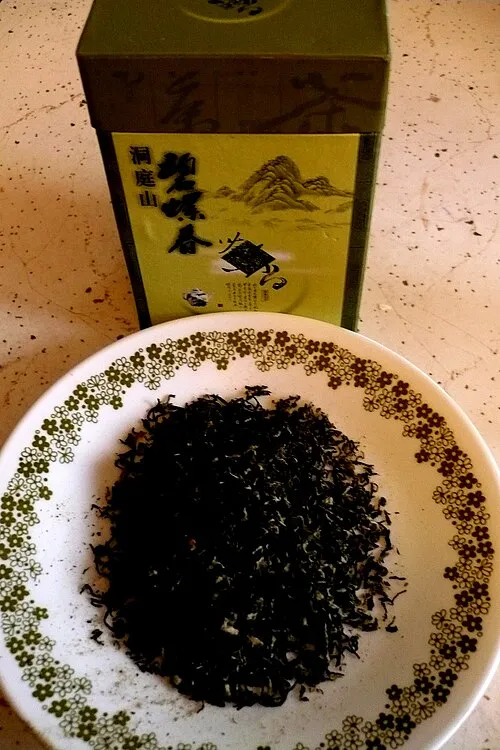
Green Tea Extract
Role: Rich in catechins, particularly EGCG, which significantly boosts metabolism and enhances fat oxidation (fat burning) by increasing norepinephrine activity in the body.
Standardized 50% EGCG
L-Carnitine
Role: A crucial amino acid that plays a vital role in the transport of long-chain fatty acids into the mitochondria, where they are burned for energy. Essential for efficient fat metabolism.
500-1000mg
L-Theanine
Role: An amino acid found in green tea, known for promoting relaxation without sedation. When combined with caffeine, it helps smooth out the energy curve, reducing jitters and improving focus.
100-200mg
Chromium Picolinate
Role: An essential trace mineral that enhances insulin sensitivity, helping to regulate blood sugar levels. This can reduce cravings for carbohydrates and fats, supporting appetite control and healthy weight management.
200-400mcg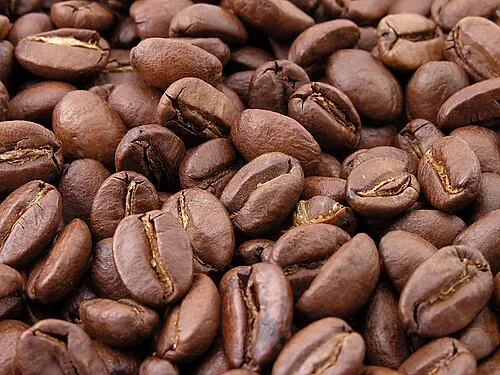
Chlorogenic Acid
Role: Found abundantly in green coffee bean extract, this powerful antioxidant helps reduce the absorption of carbohydrates in the digestive tract and supports fat metabolism, contributing to lower blood sugar and insulin levels.
200-400mg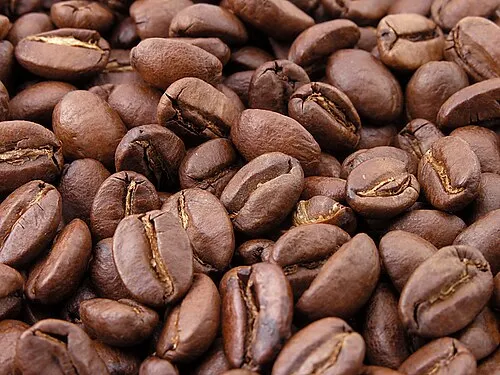
Caffeine
Role: A well-known stimulant that boosts energy, enhances alertness, and significantly increases thermogenesis (calorie burning) and fat oxidation. It's a core component in many metabolic boosters.
100-200mg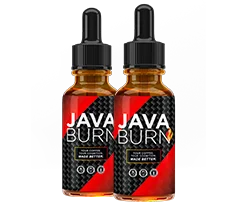
Ready to Ignite Your Metabolism and Achieve Your Weight Goals?
You've learned how crucial hydration is for metabolic health and weight loss. Now, imagine combining those benefits with a powerful, all-natural metabolic enhancer. JavaBurn is meticulously formulated to work in harmony with your daily coffee, transforming it into a super-charged fat-burning beverage. It's designed to target a slow metabolism, helping your body burn calories more efficiently and unlock your true weight loss potential.
- Boosts resting metabolic rate naturally
- Enhances lipolysis and fat oxidation
- Increases sustained energy levels without jitters
- Supports healthy blood sugar and appetite control
- Tastes neutral, dissolves instantly in any coffee



What Our Customers Are Saying About JavaBurn
"I used to feel sluggish all the time, even after drinking water. Adding JavaBurn to my morning coffee, alongside my improved hydration, has made a world of difference. My energy is up, and I've finally started seeing consistent weight loss. It feels natural and effective!"
"I struggled with a slow metabolism for years. I thought I drank enough water, but combining better hydration with JavaBurn was a game-changer. My cravings are down, I feel more alert, and my clothes fit better. Highly recommend for anyone feeling stuck."
"As someone who drinks a lot of water, I was skeptical if anything else could help. But JavaBurn, integrated into my daily routine, truly amplified my results. My metabolism feels awake, and I'm burning fat more efficiently. It's a simple addition with big impact."
Frequently Asked Questions
How does water impact metabolism and weight loss?
+Water is essential for every metabolic process, including fat breakdown (lipolysis) and energy production. It can also induce thermogenesis, where your body burns calories to warm ingested water. Adequate hydration ensures optimal cellular function, nutrient transport, and waste removal, all critical for an efficient metabolism and successful weight loss.
How much water should I drink daily for optimal weight loss?
+While individual needs vary based on activity level, climate, and health, a general guideline is to drink at least eight 8-ounce glasses (about 2 liters) of water per day. A more personalized approach is to aim for half your body weight in ounces. Consistent intake throughout the day is more effective than drinking large amounts sporadically.
Can drinking cold water really burn more calories?
+Yes, drinking cold water can lead to a slight increase in calorie expenditure. Your body must expend energy to warm the cold water to body temperature, a process known as water-induced thermogenesis. While the calorie burn per glass is small, it can add up over the course of a day, contributing to your overall energy deficit for weight loss.
Is it possible to drink too much water? What are the risks?
+While rare, it is possible to drink too much water, a condition called hyponatremia. This occurs when excessive water intake dilutes the sodium levels in your blood, leading to symptoms like nausea, headaches, confusion, and in severe cases, seizures or coma. It's more common in endurance athletes or individuals with certain medical conditions. Listen to your body's thirst signals and avoid extreme water challenges.
How does JavaBurn fit into a hydration and weight loss strategy?
+JavaBurn is designed to complement your healthy hydration habits by providing a synergistic blend of natural ingredients that boost metabolism, enhance fat burning, and increase energy levels. When added to your daily coffee, it works with your body's natural processes to optimize metabolic function, making your weight loss efforts more effective alongside proper water intake and a balanced lifestyle.
What are common signs of dehydration I should watch for?
+Beyond thirst, common signs of dehydration include dark-colored urine, infrequent urination, dry mouth, fatigue, headaches, dizziness, and decreased skin elasticity. Even mild dehydration can negatively impact cognitive function, mood, and metabolic rate. Monitoring these signs can help you ensure adequate fluid intake.
Related Articles