Are you tired of constant hunger pangs and the frustrating cycle of overeating that sabotages your weight loss goals?
Many individuals struggle with managing their appetite, often feeling like their hunger is a force beyond their control. This persistent battle can lead to emotional eating, unhealthy snacking, and ultimately, a slow metabolism and unwanted weight gain, making the journey to a healthier body feel impossible.
But what if you could regain control? This comprehensive guide, informed by the latest metabolic research, will equip you with practical, science-backed strategies to tame your appetite, prevent overeating, and naturally boost your metabolism for effective and sustainable weight loss. It's time to transform your relationship with food and achieve lasting results.
The Silent Saboteur: How Overeating and a Slow Metabolism Undermine Your Health
For many, the battle with weight isn't just about willpower; it's a complex interplay of biology, psychology, and environment. Understanding these factors is the first step toward effective appetite control and a healthier metabolism.
The sensation of hunger is a primal one, designed to ensure our survival. However, in today's abundant food environment, these signals can often go awry, leading to chronic overeating. This isn't merely a matter of choice; it's deeply rooted in our physiology. Hormones like ghrelin (the "hunger hormone") and leptin (the "satiety hormone") play critical roles, and imbalances can send confusing signals to our brain, making us feel hungry even when our body has sufficient fuel.
Compounding this challenge is the issue of a slow metabolism. Your metabolism is the process by which your body converts food and drinks into energy. If your metabolism is sluggish, your body burns fewer calories at rest, meaning that even a moderate intake of food can lead to calorie surplus and subsequent weight gain. This creates a vicious cycle: overeating contributes to weight gain, which can further slow metabolism, making it even harder to lose weight and easier to regain it.
Furthermore, psychological factors such as stress, boredom, and emotional triggers frequently lead to eating beyond physical hunger. The comfort food phenomenon is real, and it can be a powerful driver of overeating, providing temporary relief but long-term setbacks. Environmental cues, like the constant availability of highly palatable, calorie-dense foods, also make it incredibly difficult to resist the urge to eat.
Recognizing that appetite control and metabolic health are intertwined is crucial. It’s not about deprivation, but about understanding your body's signals and implementing strategies that support its natural functions. By addressing both the biological and behavioral aspects of overeating, we can pave the way for sustainable weight loss and improved overall health.
💡 Key Takeaway
Persistent overeating is often a symptom of complex hormonal imbalances, psychological triggers, and a sluggish metabolism. Effective weight management requires a holistic approach that addresses both appetite control and metabolic efficiency.
Mastering Your Hunger: Proven Strategies for Appetite Control
Taking charge of your appetite doesn't mean starving yourself. It means equipping your body and mind with the tools to recognize true hunger, feel satisfied, and prevent unnecessary snacking. Here are actionable steps you can integrate into your daily life.
Prioritize Protein and Fiber
Protein and fiber are your best allies in the fight against hunger. Protein has the highest satiety factor, keeping you feeling full for longer, while fiber adds bulk to your meals and slows digestion. Aim to include a lean protein source (chicken, fish, legumes, tofu) and plenty of fiber-rich foods (vegetables, fruits, whole grains) at every meal. This combination helps stabilize blood sugar and reduces the likelihood of post-meal cravings.
Stay Hydrated Throughout the Day
Often, what we perceive as hunger is actually thirst. Drinking plenty of water can help you feel full, reduce calorie intake, and even slightly boost your metabolism. Aim for at least 8 glasses of water daily, and try drinking a glass before each meal. For more insights on this, check out our article on how water intake impacts weight loss and metabolism. Proper hydration is a simple yet powerful tool for appetite control.
Practice Mindful Eating
Slow down and savor your food. Mindful eating involves paying full attention to the experience of eating – the tastes, textures, and smells. It also means listening to your body's hunger and fullness cues. Eating slowly allows your brain enough time to register satiety signals, preventing you from overeating before you realize you're full. Eliminate distractions like screens and focus purely on your meal.
Get Adequate Sleep and Manage Stress
Lack of sleep and chronic stress can wreak havoc on your appetite hormones. Insufficient sleep increases ghrelin (hunger) and decreases leptin (satiety), leading to increased cravings, especially for high-calorie foods. Similarly, stress triggers the release of cortisol, which can stimulate appetite and promote fat storage. Prioritize 7-9 hours of quality sleep and incorporate stress-reduction techniques like meditation, yoga, or spending time in nature.
Plan Your Meals and Snacks
Having a structured eating plan can significantly reduce impulsive overeating. When you know what and when you're going to eat, you're less likely to grab unhealthy options out of convenience or sudden hunger. Prepare healthy snacks in advance, and try to stick to regular meal times to regulate your body's internal clock and stabilize blood sugar levels.
Incorporate Healthy Fats
While often feared, healthy fats are crucial for satiety and overall health. Foods rich in monounsaturated and polyunsaturated fats, such as avocados, nuts, seeds, and olive oil, can help you feel full and satisfied, reducing the urge to snack. They also play a role in hormone production and nutrient absorption, contributing to better appetite regulation.
Beyond Appetite: Revitalizing a Sluggish Metabolism
While appetite control is vital, addressing a slow metabolism is equally important for long-term weight loss success. A robust metabolism not only burns more calories but also enhances energy levels and overall vitality.
Build Lean Muscle Mass
Muscle tissue burns more calories at rest than fat tissue. Incorporating strength training into your routine, even just 2-3 times a week, can significantly increase your resting metabolic rate. This means your body will be burning more calories even when you're not actively exercising, creating a metabolic advantage.
Engage in Regular Physical Activity
Beyond strength training, consistent cardiovascular exercise also plays a role in boosting metabolism. Activities like brisk walking, jogging, cycling, or swimming elevate your heart rate and calorie expenditure, and some forms of exercise can even lead to an "afterburn effect," where your body continues to burn extra calories post-workout. For further metabolic tips, check out our guide on diet tips to boost metabolism.
Eat Thermogenic Foods
Certain foods have a higher thermic effect, meaning your body expends more energy to digest them. Protein-rich foods are a prime example. Additionally, spices like cayenne pepper, ginger, and cinnamon, and beverages like green tea and coffee, have been shown to have modest metabolic-boosting properties. Incorporating these into your diet can provide a small but consistent lift.
Optimize Your Sleep Environment
Beyond quantity, sleep quality matters. Ensure your bedroom is dark, quiet, and cool. Melatonin, the sleep hormone, also plays a role in metabolic regulation. Disruptions to your sleep cycle can impair your body's ability to regulate blood sugar and hormones, making weight loss more challenging. Good sleep is foundational to good metabolic health.
Manage Chronic Inflammation
Chronic low-grade inflammation in the body can disrupt metabolic pathways and contribute to insulin resistance, making weight loss difficult. Adopting an anti-inflammatory diet rich in fruits, vegetables, omega-3 fatty acids, and avoiding processed foods can help mitigate inflammation and support a healthier metabolism.
Consider Nutrient Support
Sometimes, despite best efforts, our bodies may lack specific nutrients vital for optimal metabolic function. Certain vitamins, minerals, and plant compounds act as cofactors in metabolic processes. Addressing these deficiencies through diet or targeted supplementation can help ensure your metabolism runs as efficiently as possible.
Synergistic Support: How Specific Nutrients Aid Appetite Control and Metabolism
While diet and lifestyle form the bedrock of metabolic health, certain natural ingredients have demonstrated significant potential in supporting appetite control and boosting a sluggish metabolism. These compounds work through various mechanisms, from enhancing fat burning to stabilizing blood sugar and reducing cravings.
Chlorogenic Acid
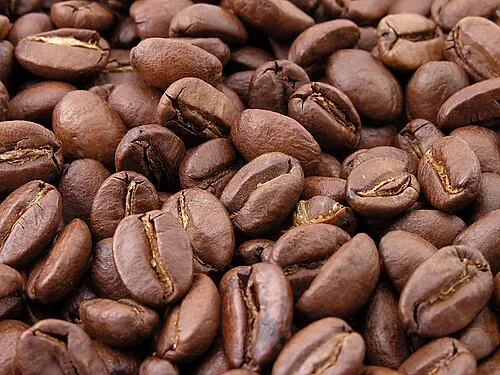
Role: Found abundantly in green coffee beans, Chlorogenic Acid is a powerful antioxidant known for its potential to support weight loss and metabolic health. It is believed to help regulate blood sugar levels by inhibiting glucose absorption in the gut and reducing glucose output from the liver. This can lead to more stable energy levels and fewer cravings, contributing to better appetite control.
Typically 100-400mg daily
Green Tea Extract (EGCG)
Role: Epigallocatechin gallate (EGCG), a primary catechin in green tea, is renowned for its thermogenic properties. It can enhance fat oxidation and energy expenditure, particularly when combined with caffeine. EGCG helps boost metabolism by increasing norepinephrine activity, a neurotransmitter that signals fat cells to break down fat. It also provides antioxidant benefits, supporting overall cellular health.
Typically 200-500mg EGCG daily
L-Carnitine
Role: L-Carnitine is an amino acid derivative that plays a crucial role in energy production by transporting fatty acids into the mitochondria of cells, where they are burned for fuel. This makes it an important player in fat metabolism. Supplementing with L-Carnitine can potentially enhance the body's ability to burn fat for energy, especially during exercise, supporting weight loss efforts and increasing metabolic efficiency.
Typically 500-2000mg daily
L-Theanine
Role: An amino acid primarily found in green tea, L-Theanine is known for its calming effects without causing drowsiness. When combined with caffeine, it can create a state of "alert calm," improving focus and reducing the jitters often associated with caffeine intake. For appetite control, L-Theanine can help manage stress and anxiety, which are common triggers for emotional eating and overeating, indirectly supporting weight management.
Typically 100-200mg daily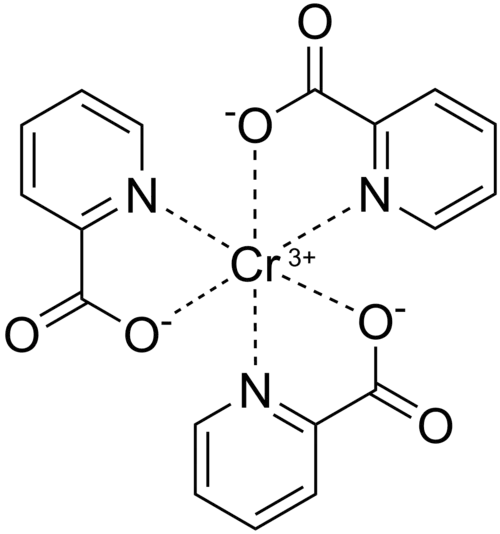
Chromium Picolinate
Role: Chromium is an essential trace mineral that plays a vital role in carbohydrate and lipid metabolism. It is known to enhance the action of insulin, a hormone critical for regulating blood sugar. By improving insulin sensitivity, chromium picolinate can help stabilize blood glucose levels, which in turn can reduce sugar cravings, manage appetite, and potentially decrease fat storage, making it a valuable aid in weight management.
Typically 200-1000mcg daily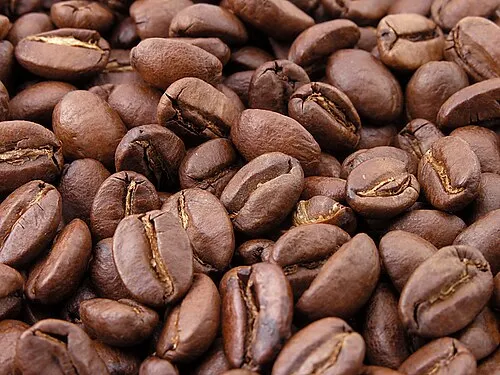
Caffeine
Role: A well-known stimulant, caffeine is not just for alertness; it's also a potent thermogenic agent. It can temporarily boost metabolic rate and enhance fat burning by stimulating the central nervous system. Caffeine can also act as an appetite suppressant for some individuals, helping to reduce calorie intake. When combined with other metabolic boosters like EGCG, its effects on energy expenditure and fat oxidation are often amplified. This is why many look for products that leverage this synergy. You can learn more about specific ingredients and their benefits in our article: JavaBurn Ingredients: Chlorogenic Acid, Green Tea & More.
Typically 100-400mg dailyThe JavaBurn Difference: A Synergistic Approach to Metabolic Enhancement
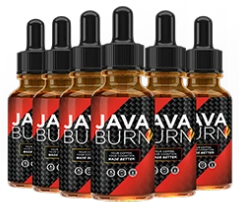
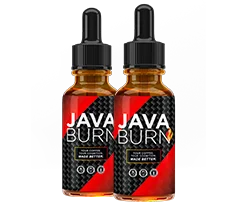
Bringing together these powerful natural ingredients, JavaBurn offers a unique approach to optimizing metabolic function and supporting healthy weight loss. Its proprietary blend is specifically designed to work in synergy with your morning coffee.
Imagine starting your day with a simple addition to your coffee that not only provides your usual energy boost but also actively works to supercharge your metabolism and keep your appetite in check. That's the premise behind JavaBurn. By combining ingredients like Chlorogenic Acid, Green Tea Extract (EGCG), L-Carnitine, L-Theanine, Chromium Picolinate, and natural Caffeine, JavaBurn aims to create a metabolic synergy that is greater than the sum of its parts.
This blend is formulated to target several aspects of weight management: enhancing the body's natural fat-burning processes, improving insulin sensitivity to stabilize blood sugar and reduce cravings, and providing a sustained energy boost without the typical jitters. The goal is to help your body become a more efficient fat-burning machine, making it easier to maintain a calorie deficit and achieve your weight loss goals without feeling constantly deprived or hungry.
Unlike many supplements that promise quick fixes, JavaBurn emphasizes a natural, gradual approach to metabolic optimization. It acknowledges that sustainable weight loss comes from supporting the body's innate functions, rather than forcing them. When combined with a balanced diet, regular exercise, and mindful eating practices, JavaBurn can serve as a powerful ally in your journey towards better appetite control and a more efficient metabolism.
Choosing a supplement like JavaBurn means opting for a product that aligns with a holistic view of health. It's about providing your body with the nutrients it needs to perform at its best, helping you feel more in control of your appetite and more energized throughout your day, ultimately paving the way for a healthier, lighter you.
Ready to Transform Your Metabolism and Control Your Appetite?
Don't let a slow metabolism and uncontrollable cravings dictate your health journey any longer. JavaBurn offers a revolutionary, all-natural solution designed to ignite your metabolism and support healthy weight loss, effortlessly mixed into your daily coffee.
- ✓ Boosts Metabolism for Enhanced Fat Burning
- ✓ Curbs Cravings & Supports Appetite Control
- ✓ 100% All-Natural, Safe, and Effective Ingredients
- ✓ Mixes Instantly and Tastelessly into Any Coffee
- ✓ Manufactured in an FDA-Approved, GMP-Certified Facility



Real People, Real Results: Hear From Our Satisfied Customers
"I used to constantly snack, especially in the evenings, which made losing weight impossible. Since adding JavaBurn to my morning coffee, my cravings have significantly reduced, and I feel full and satisfied for much longer. I've already lost 12 pounds, and it feels effortless!"
"My metabolism felt like it had hit a wall after 40. I was always tired and gaining weight despite trying to eat healthy. JavaBurn has truly revived my energy levels, and I've noticed a real difference in how quickly I'm shedding those stubborn pounds. It's become an essential part of my morning routine."
"I was skeptical at first, but the reviews convinced me to try JavaBurn. I'm so glad I did! Not only do I have more sustained energy throughout the day, but my appetite is finally under control. I don't constantly think about food anymore, and I'm fitting into clothes I haven't worn in years. Highly recommend!"
Frequently Asked Questions
Why do I struggle with appetite control and overeating?
+Appetite control is complex, influenced by hormones (like ghrelin and leptin), stress, sleep quality, psychological factors, and environmental cues. A slow metabolism can also make it harder for your body to process food efficiently, leading to persistent hunger signals even after eating, contributing to overeating and weight gain.
What are immediate steps I can take to curb my appetite?
+Start by prioritizing protein and fiber in every meal, as these nutrients promote satiety. Ensure adequate hydration, practice mindful eating by slowing down and paying attention to hunger cues, and manage stress through techniques like meditation or deep breathing. Avoiding highly processed foods and sugary drinks can also significantly reduce cravings.
How does a slow metabolism impact my ability to lose weight?
+A slow metabolism means your body burns fewer calories at rest. This can make it challenging to create the caloric deficit needed for weight loss, even if you’re eating less. It can also contribute to feelings of fatigue and sluggishness, further reducing activity levels and exacerbating weight gain. Boosting your metabolic rate is crucial for effective and sustainable weight management.
Can natural supplements really help with appetite control and metabolism?
+Certain natural ingredients have been scientifically studied for their potential to support metabolism and appetite regulation. Ingredients like green tea extract (EGCG), chlorogenic acid, L-carnitine, and chromium picolinate can aid by enhancing fat burning, improving insulin sensitivity, and reducing cravings. However, they should always be used as part of a holistic approach including diet and exercise.
How does JavaBurn specifically help with appetite control and metabolism?
+JavaBurn is formulated with a proprietary blend of natural ingredients designed to work synergistically with coffee to optimize metabolic function. Key ingredients like Chlorogenic Acid and Green Tea Extract help support fat burning and energy expenditure, while L-Theanine and Chromium Picolinate can aid in reducing cravings and stabilizing blood sugar, contributing to better appetite control and weight management.
Is JavaBurn safe to use, and what is the recommended way to take it?
+JavaBurn is made with 100% natural, vegetarian ingredients in an FDA-approved, GMP-certified facility in the USA. It is generally considered safe for healthy adults. It comes in a tasteless powder form, designed to be mixed into your morning coffee. The recommended dosage is one packet per day. Always consult your healthcare provider before starting any new supplement, especially if you have existing health conditions or are on medication.
Related Articles to Boost Your Metabolic Health
.webp)