Struggling with stubborn weight despite diet and exercise? Could a slow metabolism be holding you back?
Many individuals find themselves in a frustrating cycle: they eat well, they exercise, but the scales barely budge. This often points to a deeper issue: a sluggish metabolism. Your metabolism is the engine of your body, responsible for converting food into energy. When it slows down, fat burning becomes inefficient, leading to weight gain and a persistent feeling of fatigue.
Fortunately, there's a powerful and time-efficient strategy that has been scientifically proven to reignite your metabolic fire and accelerate fat loss: High-Intensity Interval Training (HIIT). This dynamic workout method pushes your body to its limits in short bursts, followed by brief recovery periods, creating an "afterburn effect" that keeps your metabolism elevated long after you've finished exercising.
Understanding Your Metabolism: The Root of Weight Gain
Before we dive into the power of HIIT, it's crucial to understand what metabolism is and why it often slows down, leading to frustrating weight gain.
Your metabolism is a complex network of chemical processes that constantly occur inside your body to maintain life. It dictates how quickly your body converts the food and drinks you consume into energy. Even when you're resting, your body is burning calories for essential functions like breathing, circulating blood, adjusting hormone levels, and growing and repairing cells. This baseline rate of energy expenditure is known as your Basal Metabolic Rate (BMR).
Several factors can influence your BMR and, consequently, your overall metabolic speed. Age is a significant one; as we get older, our BMR naturally tends to decrease. Genetics also play a role, predisposing some individuals to a naturally slower or faster metabolism. Lifestyle choices, however, are often the most impactful and controllable factors. A sedentary lifestyle, chronic stress, inadequate sleep, and poor dietary habits (especially restrictive dieting that can trigger your body to conserve energy) can all contribute to a sluggish metabolism. When your metabolism slows, your body becomes less efficient at burning fat for fuel, instead storing excess calories as fat. This can lead to persistent weight gain, particularly around the midsection, and a frustrating inability to shed pounds despite efforts to eat healthy and exercise. Recognizing these underlying issues is the first step towards effectively addressing a slow metabolism and achieving sustainable weight loss.
💡 Key Takeaway
A slow metabolism, often influenced by age, genetics, and lifestyle, impedes fat burning and leads to weight gain. Understanding its mechanisms is vital for effective intervention.
Enter HIIT: The Metabolic Game-Changer
If you've been looking for a workout strategy that delivers maximum impact in minimum time, High-Intensity Interval Training (HIIT) is your answer. It's not just a trend; it's a scientifically backed approach to fitness that directly targets metabolic sluggishness.
What exactly is HIIT? At its core, HIIT involves alternating between short bursts of intense, all-out exercise and brief, active recovery periods. Think of it as a metabolic rollercoaster: you push your body to its absolute limits, elevating your heart rate and exhausting your muscles, then you dial it back for a short rest before repeating the cycle. This isn't about endurance; it's about explosive effort. A typical HIIT session might last anywhere from 15 to 30 minutes, including warm-up and cool-down, making it incredibly efficient for those with busy schedules.
The beauty of HIIT lies in its ability to challenge your body in a way that traditional steady-state cardio often cannot. While a long, slow jog burns calories during the activity, HIIT creates a cascade of physiological responses that extend well beyond your workout session. This unique approach is why HIIT has gained immense popularity among fitness enthusiasts and metabolic health researchers alike. It’s not just about burning calories; it’s about signaling your body to adapt, become stronger, and, most importantly, become a more efficient fat-burning machine. By pushing your anaerobic threshold, you're not just improving your fitness; you're fundamentally reprogramming your metabolism to work faster and smarter.
The Science of HIIT: How It Supercharges Your System
The profound impact of HIIT on fat burning and metabolism isn't anecdotal; it's deeply rooted in physiological science. Let's explore the key mechanisms that make HIIT such an effective tool for metabolic transformation.
EPOC (Excess Post-exercise Oxygen Consumption): The "Afterburn" Effect
Perhaps the most celebrated benefit of HIIT is the Excess Post-exercise Oxygen Consumption (EPOC), widely known as the "afterburn" effect. During high-intensity exercise, your body demands more oxygen than it can take in, creating an "oxygen debt." After your workout, your body continues to consume oxygen at an elevated rate to restore itself to its pre-exercise state. This recovery process involves replenishing ATP (energy currency), removing lactic acid, repairing muscle tissue, and rebalancing hormones. All these processes require energy, meaning your body continues to burn calories at an accelerated rate for up to 24-48 hours after your HIIT session. This prolonged calorie burn is significantly higher than what you'd typically experience after a steady-state cardio workout of similar duration, making HIIT incredibly efficient for fat loss.
Mitochondrial Biogenesis and Efficiency
Mitochondria are the "powerhouses" of your cells, responsible for generating most of the chemical energy needed to power your body's biochemical reactions. HIIT has been shown to stimulate mitochondrial biogenesis, which means it increases the number and efficiency of mitochondria within your muscle cells. More and better-functioning mitochondria mean your cells can produce energy more effectively and burn fat more readily. This cellular adaptation is a fundamental way HIIT improves your metabolic capacity, allowing your body to process nutrients and burn fuel more efficiently even at rest.
Optimized Hormonal Response
HIIT triggers a powerful hormonal cascade that is highly beneficial for fat burning and muscle preservation. It significantly boosts the production of Human Growth Hormone (HGH), a potent fat-burning hormone that also plays a crucial role in muscle repair and growth. Additionally, HIIT leads to a surge in catecholamines (adrenaline and noradrenaline). These hormones mobilize fat from storage, making it available to be used as fuel. This hormonal environment is ideal for body recomposition – losing fat while preserving or even gaining lean muscle mass.
Improved Insulin Sensitivity
Insulin sensitivity is critical for metabolic health. When your cells are insulin sensitive, they efficiently take up glucose from the bloodstream, preventing high blood sugar levels and reducing the likelihood of fat storage. Research indicates that HIIT can dramatically improve insulin sensitivity, sometimes even more effectively than moderate-intensity exercise. By enhancing your body's ability to utilize glucose, HIIT helps stabilize blood sugar levels, reduces cravings, and shifts your body towards burning stored fat for energy rather than constantly storing it.
Muscle Preservation and Growth
Unlike prolonged steady-state cardio, which can sometimes lead to muscle loss, HIIT is excellent for preserving and even building lean muscle mass. The intense, explosive nature of HIIT stimulates muscle fibers, and the hormonal response (especially HGH) supports muscle protein synthesis. Since muscle tissue is metabolically more active than fat tissue (meaning it burns more calories at rest), maintaining or increasing your muscle mass is crucial for a higher BMR and sustained fat loss. By protecting your lean mass, HIIT helps ensure your metabolic engine continues to run hot.
💡 Key Takeaway
HIIT's metabolic power stems from the EPOC "afterburn," increased mitochondrial density, beneficial hormonal shifts (HGH, catecholamines), improved insulin sensitivity, and muscle preservation, collectively transforming your body into a more efficient fat-burning machine.
Designing Your Effective HIIT Workout
Ready to incorporate HIIT into your routine? Here's a guide to structuring effective and safe workouts that will maximize your fat-burning and metabolism-boosting potential.
Structured Approach: Warm-up, Work, Rest, Cool-down
Every HIIT session must begin with a proper warm-up (5-10 minutes of light cardio and dynamic stretches) to prepare your muscles and cardiovascular system. The core of the workout involves alternating high-intensity work intervals with active recovery or complete rest periods. Conclude with a cool-down (5-10 minutes of light cardio and static stretches) to aid recovery and prevent soreness.
Gauging Intensity: Push Your Limits Safely
During the "work" intervals, you should be pushing yourself to 80-95% of your maximum heart rate or perceived exertion. This means you should feel like you can barely speak more than a few words. During recovery, your heart rate should drop to 40-50% of your max. This fluctuation is key to triggering the metabolic adaptations that make HIIT so effective.
Work-to-Rest Ratios: Tailoring Your Challenge
Common ratios include 1:1 (e.g., 30 seconds intense work, 30 seconds rest), 2:1 (e.g., 40 seconds work, 20 seconds rest), or even 1:2 (e.g., 20 seconds work, 40 seconds rest) for beginners or very intense exercises. Experiment to find what allows you to maintain high intensity during the work periods without completely burning out too quickly. The goal is quality over quantity.
Exercise Selection: Versatility is Key
You can perform HIIT using a wide variety of exercises. Bodyweight movements like burpees, jump squats, mountain climbers, and high knees are excellent. Cardio equipment like treadmills (sprints), stationary bikes, or rowing machines also work wonderfully. The most important aspect is choosing exercises that allow you to reach peak intensity safely and effectively.
Frequency and Duration: Consistency Over Excess
For optimal results and to prevent overtraining, aim for 2-4 HIIT sessions per week. Each session, including warm-up and cool-down, should typically last between 15-30 minutes. More isn't always better with HIIT; adequate recovery is just as crucial for metabolic adaptation and avoiding injury. Listen to your body and adjust as needed.
Maximizing Your Results: Beyond the Workout
While HIIT is a powerful tool, it's part of a larger picture when it comes to sustainable fat loss and metabolic health. Your efforts outside the gym are just as crucial.
Nutrition for Metabolic Health
What you eat fuels your metabolism and recovery. Prioritize a balanced diet rich in whole foods. Adequate protein intake is essential for muscle repair and growth, which supports a higher BMR. Protein also promotes satiety, helping to manage appetite and prevent overeating. Incorporate complex carbohydrates like whole grains, fruits, and vegetables for sustained energy, and don't shy away from healthy fats found in avocados, nuts, and olive oil, which are vital for hormone production and overall cellular function. Remember, hydration is also key; water is involved in every metabolic process. For more insights on how to manage your cravings and eat mindfully to support your weight loss goals, you might find our article on appetite control and stopping overeating particularly helpful.
Adequate Recovery & Sleep
HIIT places significant stress on your body, and without proper recovery, you risk overtraining, injury, and hindering your metabolic progress. Schedule rest days and prioritize quality sleep (7-9 hours per night). During sleep, your body repairs muscle tissue, regulates hormones (like ghrelin and leptin, which control hunger), and consolidates memory. Chronic stress also negatively impacts metabolism by increasing cortisol levels, which can promote fat storage, especially around the abdomen. Incorporate stress-reducing activities like meditation, yoga, or spending time in nature.
Consistency is Key
Sustainable results don't come from sporadic bursts of effort, but from consistent, long-term adherence to healthy habits. Don't get discouraged if you don't see immediate drastic changes. Metabolic adaptations take time. Focus on making HIIT and a healthy lifestyle a regular part of your week, rather than a temporary fix. Celebrate small victories and stay committed to your long-term health goals.
Common HIIT Mistakes to Avoid
Overtraining Syndrome
Pushing too hard, too often, without sufficient recovery, can lead to fatigue, decreased performance, increased injury risk, and even a plateau in results. Listen to your body and schedule rest days.
Poor Form & Technique
In the rush to hit high intensity, many sacrifice proper form. This not only reduces the effectiveness of the exercise but significantly increases the risk of injury. Prioritize correct technique over speed or number of reps.
Skipping Warm-up & Cool-down
A thorough warm-up prepares your body for intense exertion, while a cool-down aids recovery and flexibility. Skipping these crucial phases can lead to muscle stiffness, soreness, and increased injury susceptibility.
Neglecting Nutrition & Hydration
HIIT burns a lot of energy and stresses muscles. Without proper fueling (adequate protein, complex carbs, healthy fats) and hydration, your body cannot recover efficiently, leading to diminished results and potential fatigue.
Supporting Your Metabolism Holistically: The Role of Supplements
While HIIT, proper nutrition, and adequate rest form the bedrock of metabolic health, some individuals seek additional support to optimize their body's fat-burning potential. This is where high-quality, natural supplements can play a complementary role.
It's important to reiterate that no supplement is a magic bullet, and they should always be used in conjunction with a healthy lifestyle. However, certain natural compounds have been studied for their ability to support various aspects of metabolic function, from enhancing energy expenditure to improving nutrient partitioning. For those looking for a comprehensive approach to reigniting a sluggish metabolism, exploring natural remedies can be beneficial. You can learn more about these approaches in our detailed article on natural remedies for a slow metabolism and belly fat.
Introducing JavaBurn: A Natural Companion to Your Metabolic Journey
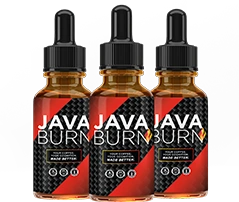
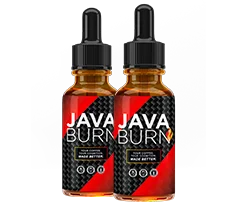
Among the various options available, JavaBurn stands out as a unique, patent-pending formula designed to naturally ignite your metabolism when combined with your morning coffee. This innovative supplement is crafted with a blend of natural ingredients known for their metabolic-boosting properties, working synergistically to enhance the efficiency of your body's fat-burning processes. JavaBurn aims to help optimize your metabolic rate, increase energy levels, and support a healthier body composition without requiring drastic changes to your diet or exercise routine, though it performs best when paired with a healthy lifestyle including workouts like HIIT.
JavaBurn is not a replacement for the hard work you put into your HIIT workouts or your commitment to healthy eating. Instead, it's designed to act as a powerful metabolic amplifier, helping your body to make the most of the efforts you're already making. By supporting key metabolic pathways, it can help you break through plateaus and accelerate your progress towards a leaner, more energetic you. If you're considering adding a metabolic support supplement to your regimen, understanding its ingredients and how it works is crucial. For information on where to ensure you're getting the authentic product at the best price, refer to our guide on where to buy JavaBurn.
Understanding JavaBurn's Metabolic Boosters
JavaBurn's proprietary blend utilizes several key natural ingredients, each selected for its scientifically recognized role in supporting metabolism, energy, and fat burning. Here's a closer look at some of them:
Green Tea Extract (EGCG)
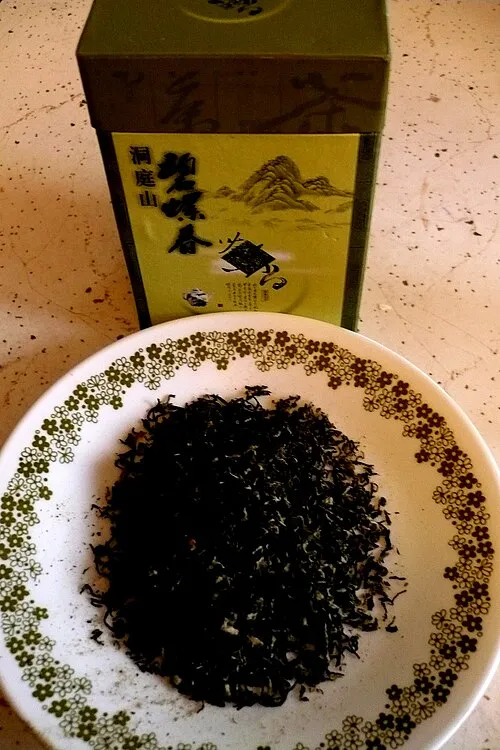
Role: Rich in antioxidants called catechins, particularly epigallocatechin gallate (EGCG), which is known to boost metabolism and enhance fat oxidation. It works by increasing norepinephrine, a hormone that signals the body to break down fat cells.
Standardized to 45% EGCG
L-Carnitine
Role: A crucial amino acid derivative that plays a vital role in transporting fatty acids into the mitochondria of cells. This allows fats to be burned for energy, making it essential for efficient fat metabolism and energy production.
Typically 100-500mg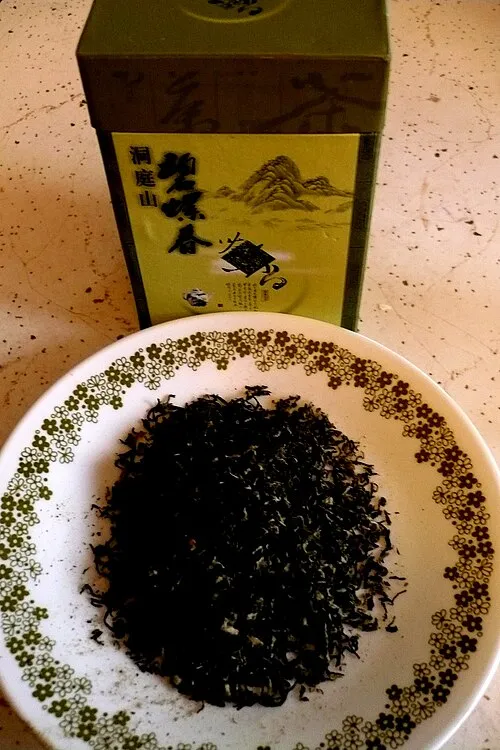
L-Theanine
Role: An amino acid found primarily in tea leaves. It helps promote relaxation without drowsiness, reduces the jitters often associated with caffeine, and can improve focus and cognitive function, supporting overall well-being during a fat loss journey.
Typically 50-200mg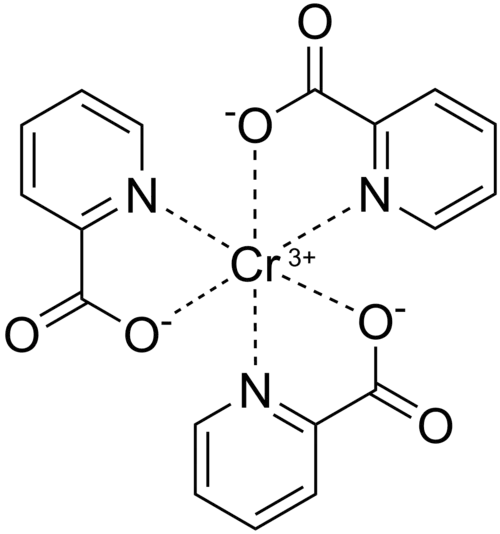
Chromium Picolinate
Role: An essential trace mineral that enhances the action of insulin, which is critical for regulating blood sugar levels. Improved insulin sensitivity can reduce cravings, help metabolize carbohydrates and fats, and prevent fat storage.
Typically 200-500mcg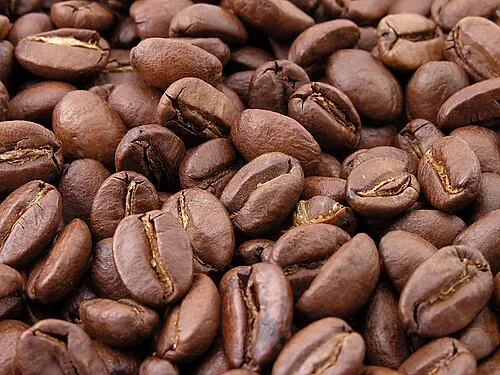
Chlorogenic Acid (from Green Coffee Bean)
Role: Found in green coffee beans, this compound is known to inhibit the release of glucose into the bloodstream after meals, reducing fat absorption from the diet, and supporting healthy blood sugar levels, which are crucial for metabolic balance.
Typically 100-300mg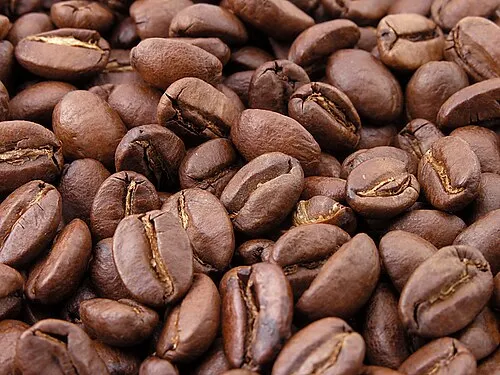
Natural Caffeine
Role: A well-known stimulant that boosts energy levels, enhances focus, and can significantly increase metabolic rate and fat burning. When consumed with coffee, it can amplify the synergistic effects of other JavaBurn ingredients.
Varies by coffee strength
Ready to Ignite Your Metabolism and Accelerate Your Fat Burning Journey?
Combine the power of HIIT with JavaBurn's natural metabolic support to unlock your body's full potential. Experience enhanced energy, optimized fat burning, and a healthier, more vibrant you.
- ✓ Supports a faster, more efficient metabolism
- ✓ Enhances natural fat burning processes
- ✓ Boosts energy levels and mental focus
- ✓ Made with 100% natural, safe ingredients
- ✓ Easy to use: simply mix with your morning coffee



Hear From Those Who Transformed Their Metabolism
"After years of struggling with a slow metabolism and feeling constantly tired, HIIT combined with JavaBurn has been a game-changer. I feel more energetic, and the stubborn fat around my waist is finally melting away. Highly recommend!"
"I was skeptical at first, but the 'afterburn' effect of HIIT is real, and JavaBurn seems to amplify it. My workouts are more effective, and I've noticed a significant improvement in my overall metabolic rate. My clothes fit better, and I feel fantastic!"
"As a busy professional, finding time for long workouts was impossible. HIIT gave me efficiency, and JavaBurn gave me the metabolic edge I needed. I'm losing weight consistently for the first time in years, and my energy levels are through the roof."
Frequently Asked Questions
What exactly is High-Intensity Interval Training (HIIT)?
+HIIT involves short bursts of intense anaerobic exercise followed by brief, less intense recovery periods. This cycle is repeated several times, challenging your cardiovascular system and muscular endurance while maximizing calorie burn and metabolic rate in a shorter timeframe compared to traditional steady-state cardio.
How does HIIT help with fat burning and a slow metabolism?
+HIIT significantly boosts metabolism through the EPOC (Excess Post-exercise Oxygen Consumption) effect, also known as the 'afterburn,' where your body continues to burn calories at an elevated rate for up to 48 hours post-workout. It also enhances mitochondrial function, improves insulin sensitivity, and stimulates fat-burning hormones, effectively turning your body into a more efficient fat-burning machine.
Is HIIT suitable for everyone, especially those with a slow metabolism?
+While highly effective, HIIT is intense. Beginners or those with underlying health conditions should start slowly, consult a doctor, and gradually build up intensity and duration. Modifications are always possible to make HIIT accessible, such as reducing the intensity of work intervals or extending recovery periods. Listening to your body is crucial.
How often should I do HIIT workouts for optimal results?
+For most individuals, 2-4 HIIT sessions per week are sufficient. Overtraining can lead to injury, fatigue, and even hinder progress. It's important to allow for adequate recovery days in between sessions, incorporating active recovery or lower-intensity activities on off days to support overall metabolic health and muscle repair.
Can I combine HIIT with other forms of exercise or supplements like JavaBurn?
+Yes, HIIT can be effectively combined with strength training, yoga, or steady-state cardio on alternate days for a well-rounded fitness regimen. When considering supplements like JavaBurn, which is designed to support metabolic function, it can act as a complementary tool to enhance the effects of your exercise and diet. Always consult a healthcare professional before adding new supplements to your routine.
What are the most common mistakes people make when starting HIIT?
+Common mistakes include skipping warm-ups or cool-downs, using improper form (which increases injury risk), overtraining, and neglecting proper nutrition and hydration. It's also easy to become discouraged if results aren't immediate. Focus on consistency, proper technique, and a holistic approach to diet and lifestyle for sustainable success.
Related Articles
.webp)